Concrete Calculator: Estimate Concrete Volume and Cost
Use the concrete calculator below to estimate concrete volume, bags, weight and optional material cost for slabs, footings, round piers and post holes. Enter your dimensions, choose a waste allowance, and the calculator will give the result in cubic yards, cubic feet and cubic meters.
Concrete Calculator
Estimate concrete volume, cubic yards, cubic metres, bags, weight and optional material cost for slabs, footings, piers and post holes.
Project type
Choose the concrete pour type
Pick the pour shape that best matches your project.
Choose units, waste and currency
Enter the project dimensions
Add optional material prices
Your concrete estimate
| Check | Result |
|---|---|
| Concrete volume | — |
Do not use normal concrete weight values for lightweight materials such as foam concrete, because their density can be much lower than standard concrete
How to Use This Concrete Calculator
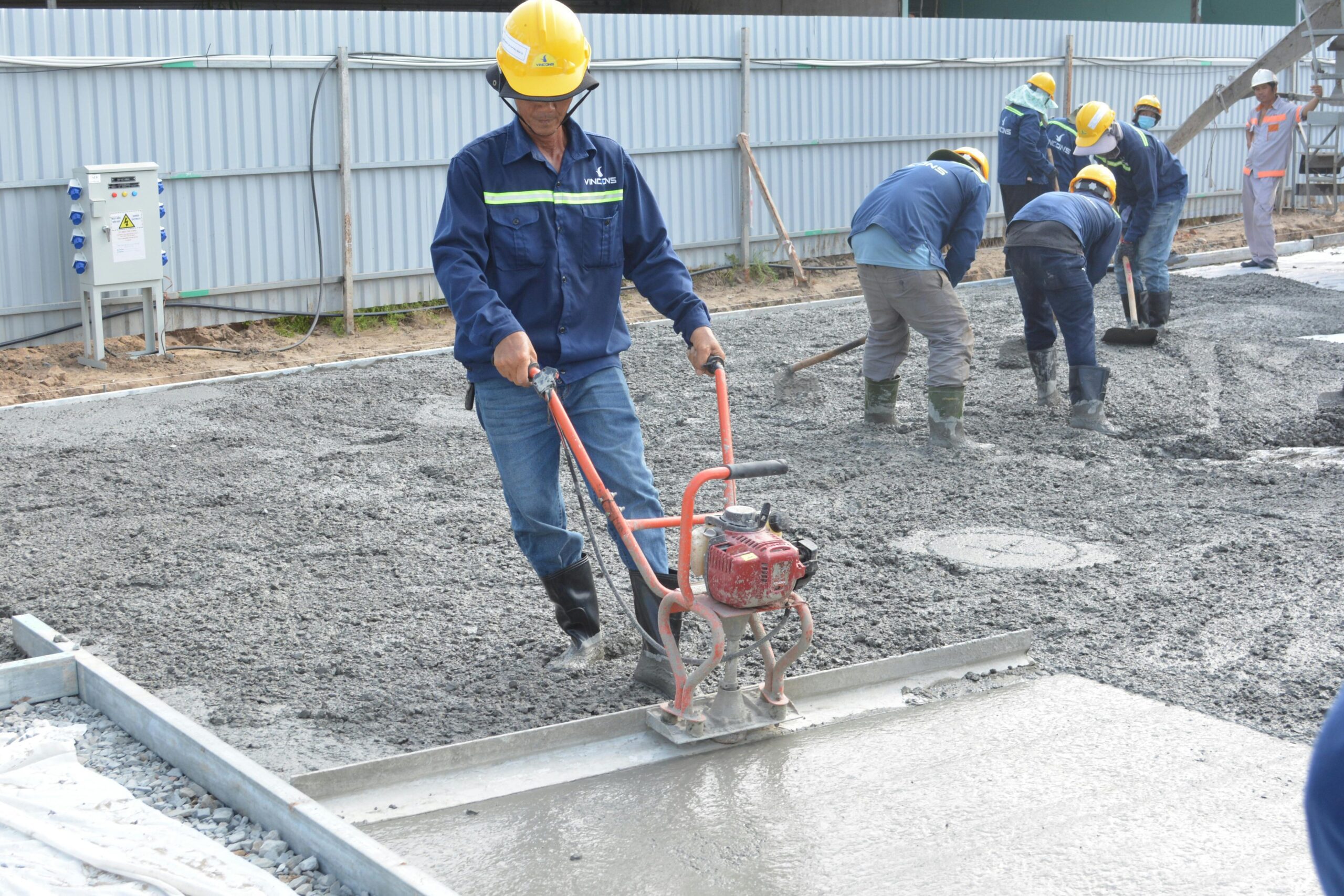
Start by choosing the project type. Use Slab for patios, walkways, shed bases and driveways. Use Footing for strip footings and trenches. Use Pier for round columns or sonotubes. Use Post holes for fence posts and deck posts.
If you use imperial units, enter slab length and width in feet and slab thickness in inches. If you use metric units, enter length and width in metres and slab thickness in millimetres. For most projects, keep the waste allowance at 10%. Concrete is not something you want to run short on halfway through a pour — that is when the panic, phone calls and creative language begin.
Building a block wall instead of pouring a slab, footing or pier? Use our concrete cinder block calculator to estimate blocks, mortar, openings, waste and rough wall material cost.
Concrete Calculator Formula
The basic concrete volume formula is:
Volume = Length × Width × Depth
For a concrete slab in imperial units:
Cubic feet = Length (ft) × Width (ft) × Thickness (in) ÷ 12
Cubic yards = Cubic feet ÷ 27
For a slab in metric units:
Cubic metres = Length (m) × Width (m) × Thickness (mm) ÷ 1000
For round piers and post holes, this concrete volume calculator uses:
Volume = π × Radius² × Depth × Quantity
This matters because a wider post hole can use more concrete than expected. Diameter affects area quickly, so “just a little wider” can mean several extra bags.
This concrete calculator estimates quantity, not structural capacity. Slab performance also depends on soil support, base compaction, drainage, reinforcement, joints and concrete strength. For structural slab design, refer to the ACI guide to design of slabs-on-ground.
Common Concrete Thickness Guide
| Project | Common thickness | Practical note |
|---|---|---|
| Garden path or walkway | 4 in / 100 mm | Usually enough for light foot traffic |
| Patio slab | 4 in / 100 mm | Base preparation matters more than people think |
| Shed base | 4–5 in / 100–125 mm | Depends on shed weight and soil condition |
| Light driveway | 5–6 in / 125–150 mm | Vehicle loads need a stronger base |
| Garage or heavier slab | 6 in+ / 150 mm+ | May need reinforcement and proper joint layout |
| Fence post hole | Usually 2–3 ft deep | Depends on post height, soil and frost depth |
This table is general guidance. For foundation slabs, retaining structures, poor soil or heavy loads, get project-specific advice before ordering concrete.
Bagged Concrete or Ready-Mix?
Bagged concrete is practical for small pads, post holes, repairs and small DIY pours. Ready-mix concrete is usually better for larger slabs, driveways and footings where consistency, speed and finishing time matter.
A simple rule: if the concrete calculator bag result shows a very large number of bags, ready-mix is probably the better choice. Mixing 10–20 bags is manageable. Mixing 100 bags is no longer a project; it is a personal test of character.
Bag yields vary by manufacturer, so always check the label before buying.
How Much Waste Should You Add?
Most concrete estimates should include extra material. Forms are not always perfect, soil may be uneven, holes may be slightly oversized, and some concrete can be lost during placement.
| Site condition | Suggested waste |
|---|---|
| Accurate forms and flat base | 5% |
| Normal slab, footing or post-hole work | 10% |
| Uneven excavation or rough subgrade | 15% |
The National Ready Mixed Concrete Association (NRMCA) also provides practical guidance for ready-mixed concrete through its Concrete in Practice resources.
Concrete Weight Estimate
The calculator also works as a concrete weight calculator. A common planning value for normal-weight concrete is about 150 lb/ft³, or roughly 2,400 kg/m³. Use this only for planning handling, access and delivery. Do not use it for structural design or lifting design.
Calculating a thin glass-fiber reinforced concrete panel instead? Use our GFRC weight calculator to estimate GFRC skin weight, weight per square foot, and complete framed-panel weight.
Before You Order Concrete
Before ordering, check that dimensions are measured from the inside of the forms, the base is compacted, reinforcement or mesh is ready, utilities are protected, and the truck, pump, wheelbarrow or mixer can actually reach the pour area.
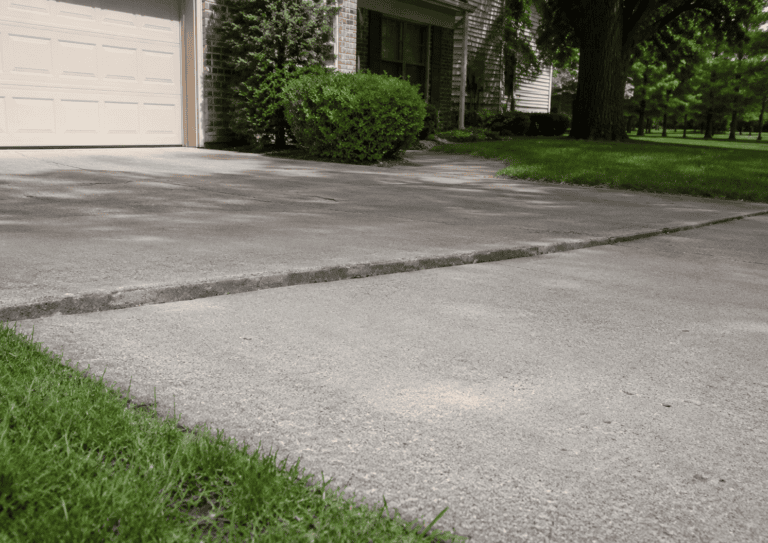
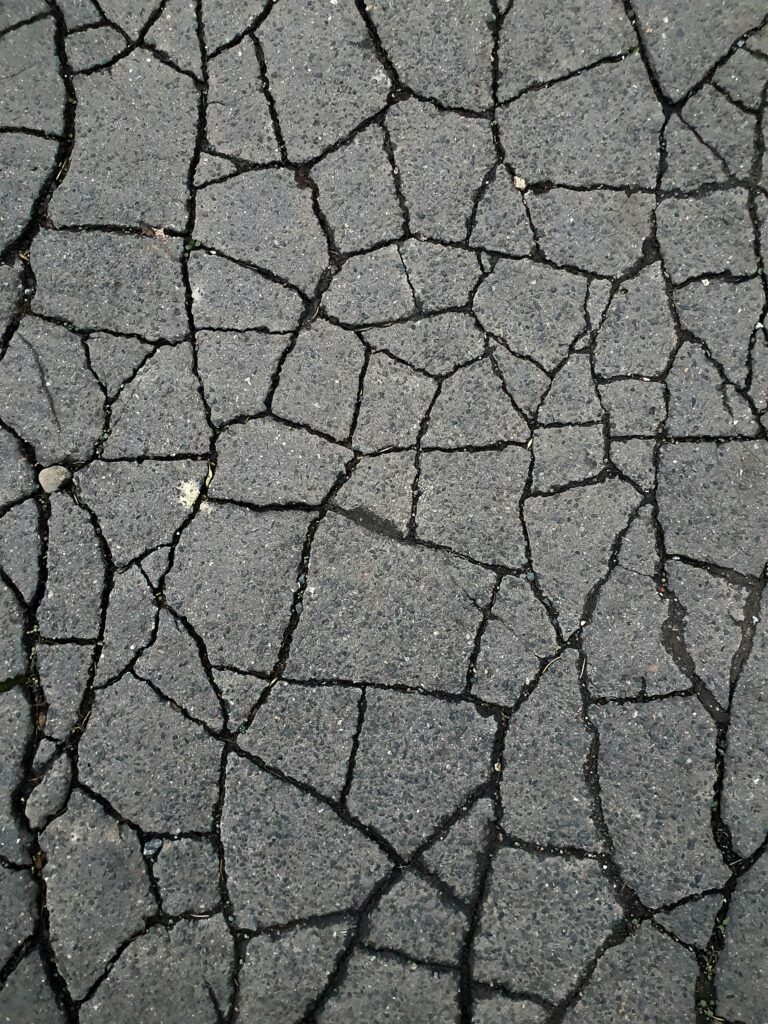
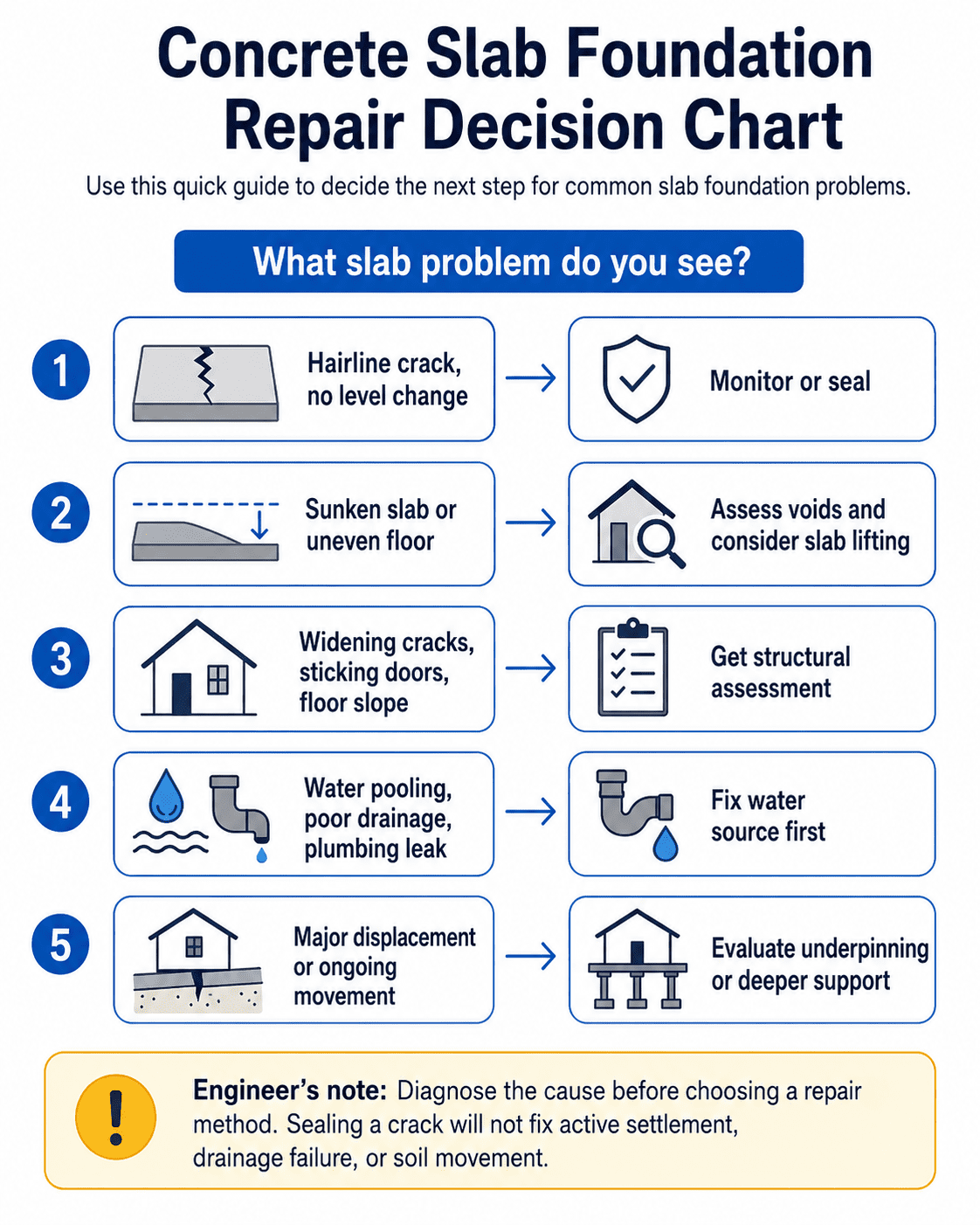
If your existing slab is cracked, sunken or moving, estimate the concrete quantity only after understanding the cause. Start with our guide to concrete slab foundation repair. For visible cracking, also see foundation crack repair. If the issue involves wider movement or settlement, read our foundation repair guide before planning a new pour.
If you are placing concrete as a base for outdoor hardscaping, our guide on patio pavers on concrete may also help you decide whether the existing slab can be reused.