How to Dry Pour Concrete: Does It Really Work?
Dry pour concrete places bagged mix first and adds water afterward. See how the method works, where it may be acceptable, and why it differs from properly mixed concrete.
Practical construction guides for concrete, foundations, drainage, retaining walls, slabs, driveways, materials, repair methods, costs, and building details.

Dry pour concrete places bagged mix first and adds water afterward. See how the method works, where it may be acceptable, and why it differs from properly mixed concrete.

See how 2026 tariffs are affecting concrete, lumber, and steel costs in the U.S. using current price data, tariff updates, and a civil engineering look at what the changes could mean for home construction projects.

Quick Summary Internal vibration consolidates fresh concrete by inserting a vibrating head directly into the mix. The vibration releases entrapped air and…

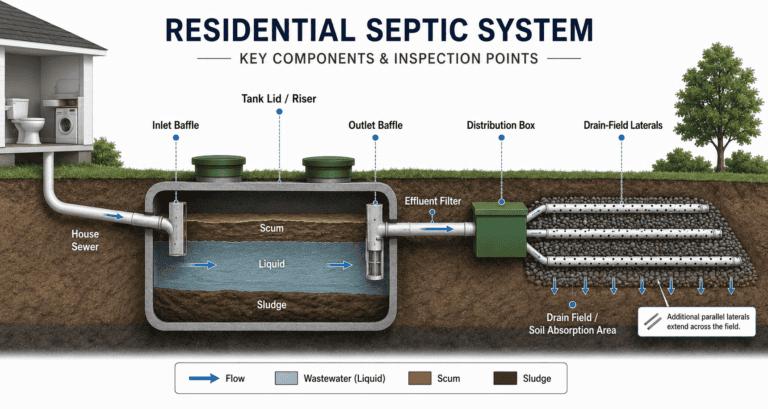
Learn what a septic tank inspection checks, how the process works, typical inspection costs, common system problems, when pumping may be needed, and what homeowners should know before buying a house with a septic system.

Concrete spalling happens when pieces of concrete break away from the surface. Learn the common causes, how to judge the severity, and the right repair approach.

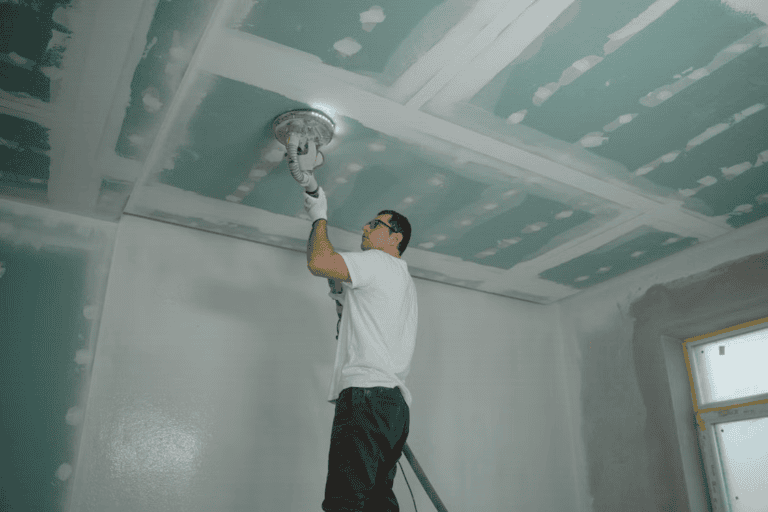
Professional drywall installation typically costs about $1.50 to $3.50 per square foot of drywall surface for standard residential work. Ceilings, high walls,…

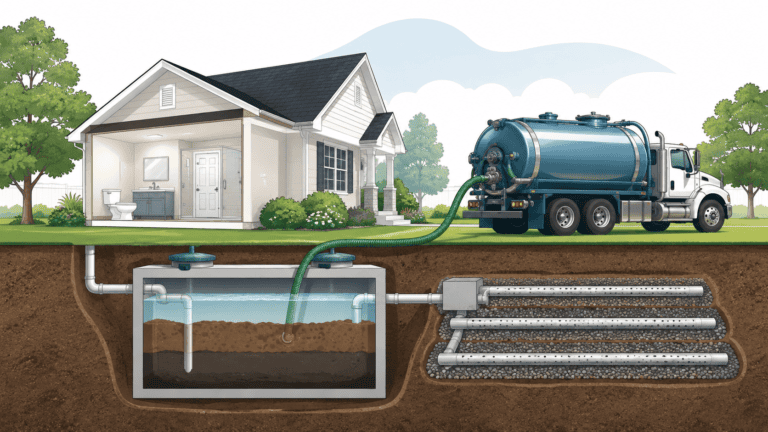
Septic tank pumping typically costs about $300 to $600 for a routine residential job. Larger tanks, buried lids, difficult access, overdue solids,…

Glass fiber reinforced concrete (GFRC) uses alkali-resistant glass fibers to improve crack control and flexural performance. Learn how GFRC is made, where it is used, and what engineers check before specifying it.

Air-entrained concrete contains microscopic air bubbles that improve freeze-thaw durability. Learn how it works, recommended air content, strength effects, testing methods, uses, and finishing requirements.

The main difference between asphalt and concrete roads is how they carry traffic loads. Concrete acts as a stiff slab that spreads…