Septic Tank Size Calculator: Estimate the Right Tank Size
Inputs
Home size
Wastewater flow assumptions
Special conditions
Minimum tank size
Choosing the wrong septic tank size can lead to backups, smells, expensive pumping, or permit headaches. Too small is trouble. Too large can waste money.
Use septic tank size calculator above to estimate the right tank capacity for your home based on bedrooms, occupancy, and wastewater flow.
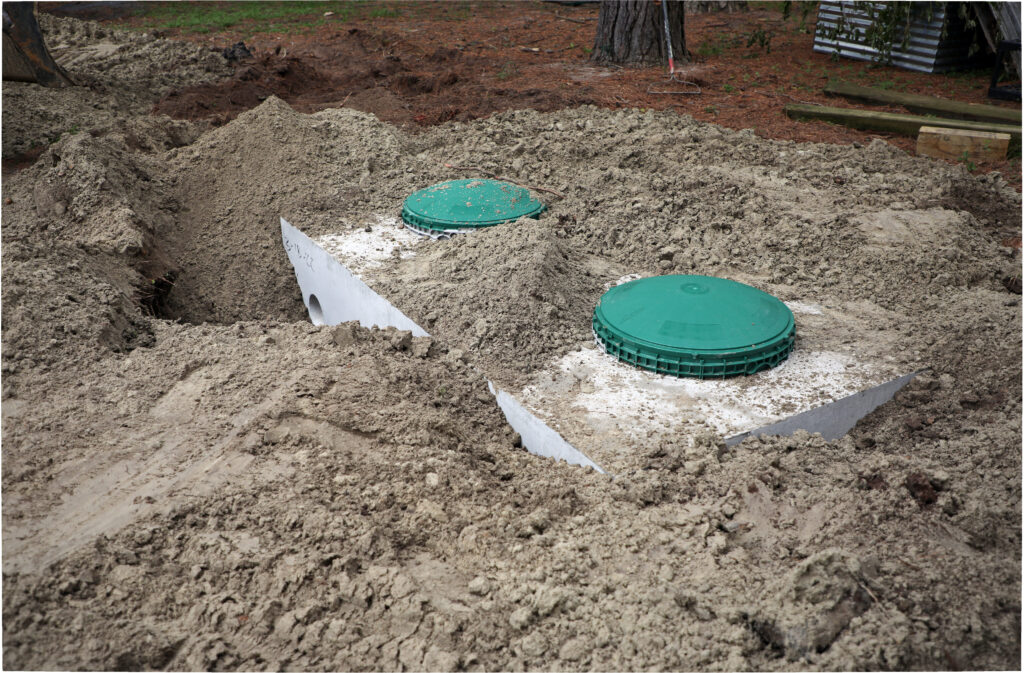
Once you know your tank size, consider whether your access lid is buried. A buried lid means excavation costs at every pump-out. Our septic tank riser guide explains types, costs, and what to check before installing one.
Also you can use our septic tank pumping cost calculator to estimate the cost of a pump-out for that tank size and your state.
How to Use the Septic Tank Size Calculator
Use this calculator to estimate a septic tank size from bedrooms, regular occupants, daily wastewater flow, retention time, and higher-use conditions.
- Enter the number of bedrooms in the home.
- Enter the number of regular occupants.
- Choose the sizing method: bedrooms based, occupants based, or larger of both.
- Adjust the daily wastewater flow values if you want to use a different local assumption.
- Select the retention time and safety allowance.
- Add special conditions such as a food waste grinder, pumped sewage, or high water use.
- Enter your local minimum tank size if you know it.
- Click Calculate Tank Size.
This calculator gives a planning estimate only. Your final septic tank size must follow local health department rules, soil conditions, drain field design, setbacks, groundwater separation, and permit requirements.
Local code may override this. Always verify before installation. For homeowner maintenance basics, see the EPA septic system care and maintenance guide
What This Calculator Includes and Does Not Include
Includes:
- Septic tank liquid capacity
- Daily wastewater flow estimate
- Retention time check
- Minimum tank size check
- Existing/proposed tank comparison
Does not include:
- Drain field sizing
- Soil percolation rate
- Groundwater separation
- Setbacks
- Pump chamber design
- Permit approval
If you are planning a larger septic upgrade. Use our septic tank installation cost calculator.
Typical Septic Tank Cost by Size
| Tank Size | Common Use | Approx Installed Cost (US) |
|---|---|---|
| 1,000 gal | 2–3 bedroom home | $4,000–$8,000 |
| 1,250 gal | 4 bedroom home | $5,000–$9,000 |
| 1,500 gal | 5 bedroom home | $6,000–$11,000 |
| 2,000+ gal | Large homes / high use | $8,000–$15,000+ |
Costs vary by state, excavation depth, soil, permits, and material.
Key Factors That Change Septic Tank Size
1. Number of Bedrooms
Many states size septic systems by bedrooms, not current occupants.
2. Water Usage
Large tubs, heavy laundry use, guests, and rentals increase demand.
3. Garbage Disposal
More solids = more sludge = larger tank often recommended.
4. Pumped Systems
Pressure or lift systems may require larger capacity or separate chambers.
5. Local Code
This one wins every argument.
Simple Worked Example
Here is a simple example for a 4-bedroom home with moderate water use.
Input values
- Bedrooms4
- Design flow150 gal/day per bedroom
- Retention time2 days
- Safety allowanceNo extra allowance
Calculator output
- Estimated daily flow600 gal/day
- Calculated capacity1,200 gal
- Recommended tank size1,200 gal
- Retention at rounded size2.0 days
If the same home has high water use plus a food waste grinder or pumped sewage, the required planning size may increase. With stricter allowances selected, the calculator may round the result to about 2,500 to 3,000 gallons, depending on the inputs.
This example is consistent with Virginia septic tank design standards, which use bedroom-based tank sizing and a 48-hour hydraulic detention time. Virginia’s dwelling-unit table lists approximately 1,200 gallons for a 4-bedroom home. View Virginia septic tank design standards.
Common Mistakes
❌ Sizing only for current occupants
❌ Ignoring future bedrooms or finished basement rooms
❌ Forgetting garbage disposal load
❌ Buying tank before permit approval
❌ Assuming tank size = drainfield size
❌ Trusting “my cousin installed one cheap”
A septic tank stores solids and provides settling time. The drainfield treats the water. Many failures blamed on “small tank size” are actually soil, drainfield, slope, or maintenance issues.
When to Call a Professional
Use this septic tank size calculator to get base estimate. However call a licensed septic designer, installer, or engineer if:
- Building a new home
- Replacing failed septic system
- Wet yard or sewage smell
- Adding bedrooms
- Buying rural property
- High groundwater area
- Clay soil or poor drainage

Similar Posts
Deck Joist Spacing Calculator
Use this deck joist spacing calculator to estimate joist count and layout for 12-inch, 16-inch, and 24-inch on-center deck framing. Learn how joist spacing differs from joist span, when to use tighter spacing, and what to check before building.
Septic Tank Installation Cost Calculator
In my experience septic tank installation cost usually ranges from $6,000 to $15,000 for a standard conventional system. Use the calculator below…
Free Concrete Slab Price Calculator
Use this free concrete slab price calculator to estimate slab cost by size, thickness, concrete volume, labor, reinforcement, and finish type.
Concrete Cinder Block Calculator: Blocks, Mortar & Wall Cost
Use this concrete cinder block calculator to estimate blocks, mortar, openings, waste, core fill and rough wall material cost.
Drywall Installation Cost Calculator (2026 Prices)
Professional drywall installation typically costs about $1.50 to $3.50 per square foot of drywall surface for standard residential work. Ceilings, high walls,…
Home Replacement Cost Calculator: Estimate Rebuild Cost
Use the home replacement cost calculator below to estimate what it could cost to rebuild your house at current U.S. labor and…