Foundation Crack Repair: Costs, Methods & Warning Signs
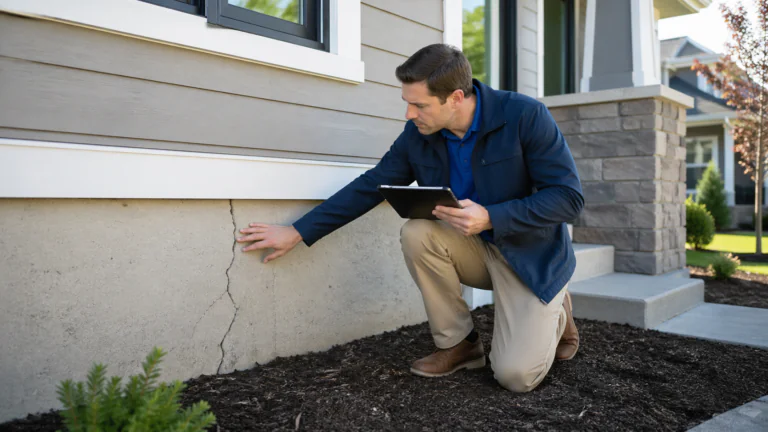
Foundation crack repair is not only about filling a visible gap in concrete. The real question is whether the crack is stable, leaking, widening, or caused by concrete movement.
Some vertical foundation cracks may only need sealing or injection. Horizontal foundation cracks, especially in basement walls, may point to soil pressure, water pressure, or wall movement.
That difference matters. Repairing the wrong problem can waste money and leave the structure at risk.
This guide explains common foundation crack repair methods, how vertical and horizontal cracks differ, what repair may cost, and when a crack needs a structural engineer instead of a simple patch.
Quick Answer: What Is Foundation Crack Repair?
Foundation crack repair means sealing, bonding, waterproofing, or structurally stabilizing a crack in a foundation wall, slab, or footing.
Common repair methods include:
- epoxy injection
- polyurethane injection
- exterior waterproofing
- surface sealing
- drainage correction
- carbon-fiber reinforcement
- wall anchors or bracing
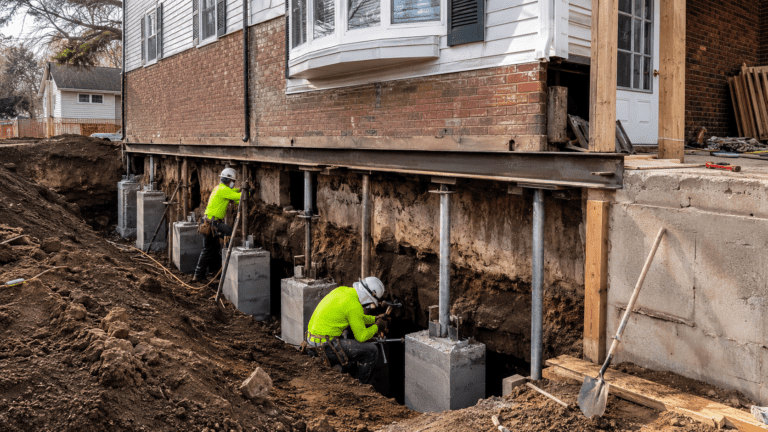
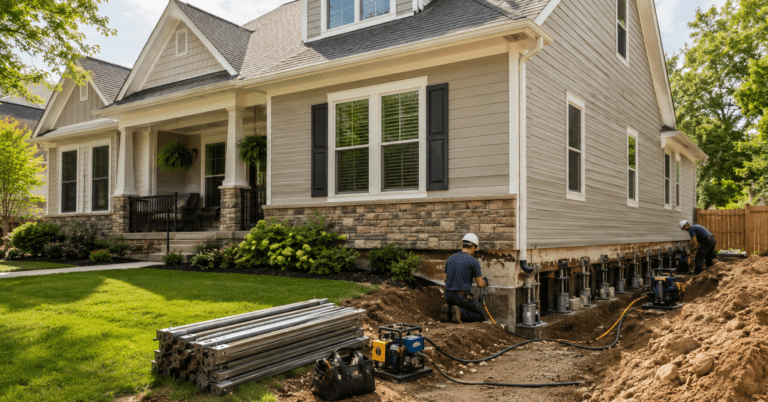
- underpinning or pier support when cracks are caused by settlement
The repair depends on the cause. A leaking but stable crack is different from a crack caused by foundation settlement, lateral soil pressure, or wall movement.
A crack is a symptom. Before repairing it, ask why it appeared and whether it is still changing.
Foundation Crack Repair Decision Box
| If you see this | Likely next step |
|---|---|
| Narrow vertical crack, stable | Monitor or seal |
| Leaking vertical crack | Polyurethane injection may help |
| Dry crack needing bonding | Epoxy injection may be considered |
| Horizontal foundation cracks | Check for wall pressure or movement |
| Bowing wall + horizontal crack | Call a structural engineer |
| Crack keeps reopening | Investigate active movement |
| Crack with sloping floors or sticking doors | Check for foundation settlement |
This table is only a screening guide. A proper repair decision depends on the crack pattern, leakage, drainage, wall movement, foundation type, and whether the crack is changing.
When Foundation Crack Repair Is Enough
Foundation crack repair may be enough when the crack is:
- narrow and stable
- not increasing in width
- not linked with sloping floors or sticking doors
- not causing visible wall displacement
- mainly allowing water leakage
- caused by shrinkage or minor historic movement
In these cases, sealing or injection may solve the immediate issue, especially if drainage is also corrected.
But if the crack keeps reopening, widens over time, or appears with other movement signs, the repair should not stop at patching.
When Crack Repair Is Not Enough
Crack repair alone may not be enough if you see:
- widening cracks
- stair-step cracks in masonry
- horizontal foundation cracks
- bowing or leaning foundation walls
- water pressure behind the wall
- sloping floors
- several doors or windows sticking
- cracks returning after repair
A good inspection should look beyond the crack itself. It should consider whether the wall is bowing, leaning, deteriorating, or showing other signs of distress.
Vertical Foundation Cracks: When Repair Is Usually Simpler
Vertical foundation cracks are often less concerning than horizontal cracks, especially when they are narrow, stable, and not displaced. They may be related to concrete shrinkage, minor settlement, temperature movement, or water leakage paths.
Common vertical foundation crack repair options include:
Epoxy injection
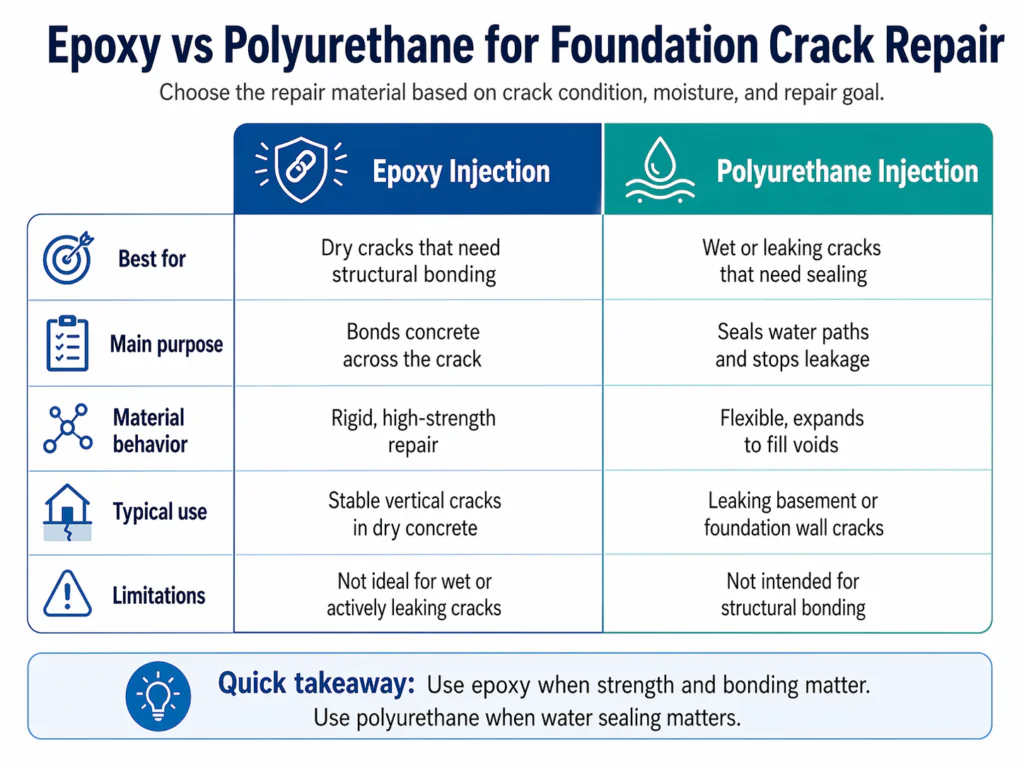
Epoxy can bond concrete across a crack and is often used when the crack is dry and structural bonding is desired.
Polyurethane injection
Polyurethane is commonly used for leaking cracks because it can expand and help seal water paths. It is more flexible than epoxy, which can help where minor seasonal movement or water leakage is the main issue.
Surface sealing
Surface sealants may help for minor cracks, but they are usually less reliable if water pressure exists behind the wall.
Exterior waterproofing
If water is entering from outside, exterior excavation and waterproofing may be considered, especially when interior repairs keep failing.
Vertical foundation cracks should still be checked if they are widening, leaking heavily, offset, or connected with settlement signs.
Horizontal Foundation Cracks: When Repair May Be Structural
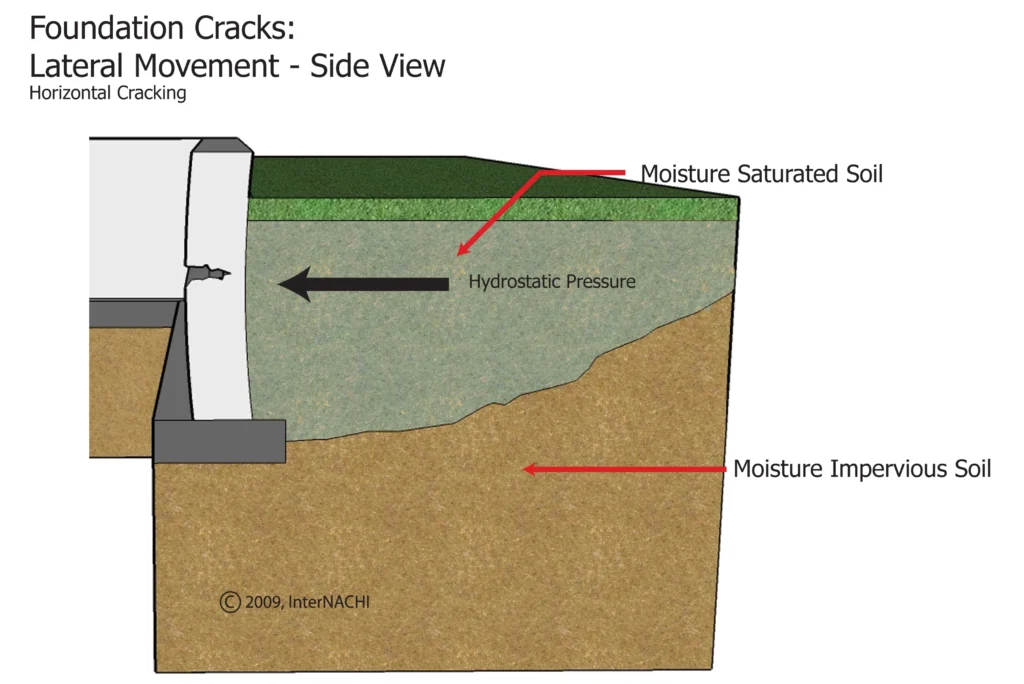
Horizontal foundation cracks deserve more caution because they can indicate lateral soil pressure, hydrostatic pressure, frost action, or wall movement.
They are especially important in basement or retaining-type foundation walls. If a horizontal crack appears with bowing, leaning, displacement, or water leakage, it should not be treated as a simple sealing job.
Water-saturated soil can push against basement walls from the outside. This pressure may force a wall inward and contribute to horizontal cracking as seen in the image below.
Horizontal foundation crack repair may require more than injection. Possible repair options include:
- wall anchors
- steel bracing
- carbon-fiber reinforcement
- drainage correction
- excavation and exterior waterproofing
- rebuilding or strengthening the wall in severe cases
If the wall is bowing, leaning, displaced, or leaking, call a structural engineer or qualified foundation specialist before choosing a repair.
Vertical foundation cracks are often leakage or shrinkage issues. Horizontal foundation cracks can be wall stability issues.
For a detailed breakdown by vertical, horizontal, leaking, and bowing-wall conditions, see our basement wall crack repair cost guide.
Foundation Crack Repair Methods
Different cracks need different repair methods.
| Repair method | Best used when | Not enough when |
|---|---|---|
| Epoxy injection | Crack needs bonding and is mostly dry | Wall is still moving |
| Polyurethane injection | Crack is leaking water | Crack is structural or widening |
| Surface sealant | Minor cosmetic sealing | Water pressure exists |
| Exterior waterproofing | Water enters from outside | Wall is bowing or unstable |
| Carbon-fiber strips | Wall needs added restraint | Severe wall displacement exists |
| Wall anchors/bracing | Wall is moving inward | Soil/drainage cause is ignored |
| Underpinning/piers | Crack is caused by settlement | Crack is only shrinkage/leakage |
The best repair is the one that fits the cause, not just the crack shape.
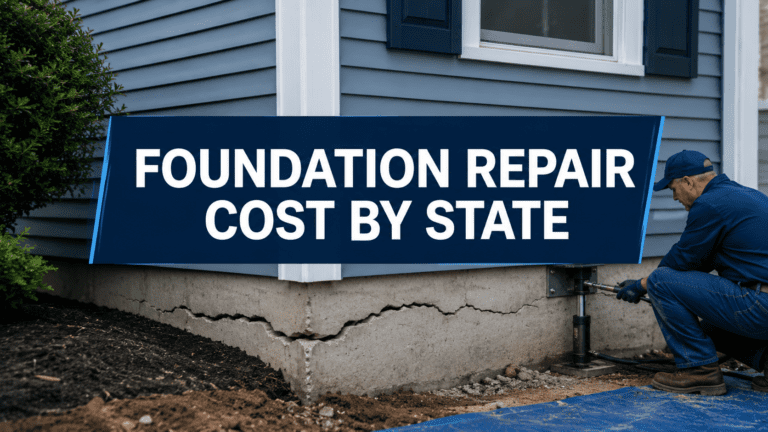
Foundation Crack Repair Cost
Foundation crack repair cost depends on crack type, leakage, wall movement, repair method, access, and whether structural stabilization is needed.
Professional crack injection often costs a few hundred dollars per crack. More complex repairs involving waterproofing, bracing, wall anchors, or structural stabilization can cost much more.
Typical cost factors include:
- crack length and width
- interior vs exterior access
- dry crack vs leaking crack
- epoxy vs polyurethane injection
- basement wall movement
- drainage repair
- waterproofing
- engineer inspection
- wall bracing or anchoring
- local labor rates
A low-cost crack injection may be reasonable for a stable leaking crack. But if the wall is bowing or the crack is caused by active settlement, the final repair can be much more expensive.
DIY Foundation Crack Repair: When Is It Reasonable?
DIY crack repair may be reasonable for very small, stable, non-structural cracks where the goal is cosmetic sealing or minor water control.
Avoid DIY repair when:
- cracks are horizontal
- cracks are widening
- the wall is bowing
- water is entering under pressure
- the crack is offset
- multiple cracks appear together
- the crack returns after patching
A DIY kit can hide the symptom without addressing the cause. That is especially risky with basement foundation crack repair where soil pressure and water pressure may be involved. Hard surfaces such as patios and walkways should slope away from the foundation. If you are planning a new outdoor surface, use our patio paver installation guide to estimate materials and avoid drainage mistakes.
When to Call a Structural Engineer
Call a structural engineer or qualified local professional if:
- cracks are horizontal
- the wall is bowing or leaning
- the crack is widening
- the crack is offset or displaced
- stair-step cracks appear in masonry
- floors are sloping
- doors or windows are sticking
- cracks keep reopening after repair
- repair quotes are expensive or conflicting
For a simple stable crack, a foundation repair contractor may be enough. For movement, distortion, or structural uncertainty, an independent engineering opinion is often worth the cost.
Red Flags in Foundation Crack Repair Quotes
Be cautious if someone says:
- “Every crack needs major foundation repair.”
- “Injection will fix all foundation cracks.”
- “Horizontal foundation cracks are nothing to worry about.”
- “Drainage does not matter.”
- “No inspection is needed.”
- “You must sign today.”
A serious crack repair quote should explain the likely cause, repair method, limitations, warranty, and whether drainage or structural stabilization is included.
FAQs About Foundation Crack Repair
Are vertical foundation cracks serious?
Vertical foundation cracks are often less concerning than horizontal cracks, but they should be checked if they are widening, leaking, offset, or linked with settlement signs.
Are horizontal foundation cracks serious?
Horizontal foundation cracks can be serious because they may indicate lateral soil or water pressure against the wall. If the wall is bowing, leaking, displaced, or the crack is widening, get professional assessment.
What is the best foundation crack repair method?
There is no single best method. Epoxy may suit dry cracks that need bonding, polyurethane may suit leaking cracks, and wall anchors or bracing may be needed if the wall is moving.
How much does foundation crack repair cost?
Basic crack injection may cost a few hundred dollars per crack, while structural repairs involving bracing, anchors, waterproofing, or underpinning can cost much more.
Final Engineering Advice
Foundation crack repair should start with one simple question:
Is this only a crack, or is it evidence of movement?
If the crack is narrow, vertical, stable, and only leaking slightly, injection or sealing may be enough. If the crack is horizontal, widening, displaced, or connected with bowing walls, sloping floors, or sticking doors, treat it as a structural warning sign until proven otherwise.
The best repair is not the fastest patch. It is the repair that addresses why the crack formed in the first place. For a broader overview of warning signs, repair methods, costs, and when to act, read our full foundation repair guide.