Foundation Settlement Repair: 9 Signs, Causes & Fixes
Foundation settlement repair is not just about patching cracks or lifting a house. It is about finding out why part of the foundation has moved downward, whether that movement is still active, and what repair method actually addresses the cause.
Some settlement is minor and old while the one which is active needs repair. The difference matters because the wrong repair can cost thousands and still not solve the problem.
What Is Foundation Settlement Repair?
Foundation settlement repair means stabilising or correcting a foundation that has moved downward because the supporting soil has compressed, shrunk, eroded, washed out, or lost bearing support.
Depending on the cause and severity, repair may involve:
- drainage correction
- crack repair
- slab lifting
- void filling
- underpinning
- helical piers
- push piers
- monitoring
At a larger ground scale, the USGS describes land subsidence as gradual settling or sudden sinking of the ground surface due to subsurface earth material movement.
A house foundation problem is usually local rather than regional subsidence, but the same basic engineering idea applies: when support below the structure changes, movement can follow.
Foundation settlement repair should start with diagnosis, not with a repair product.
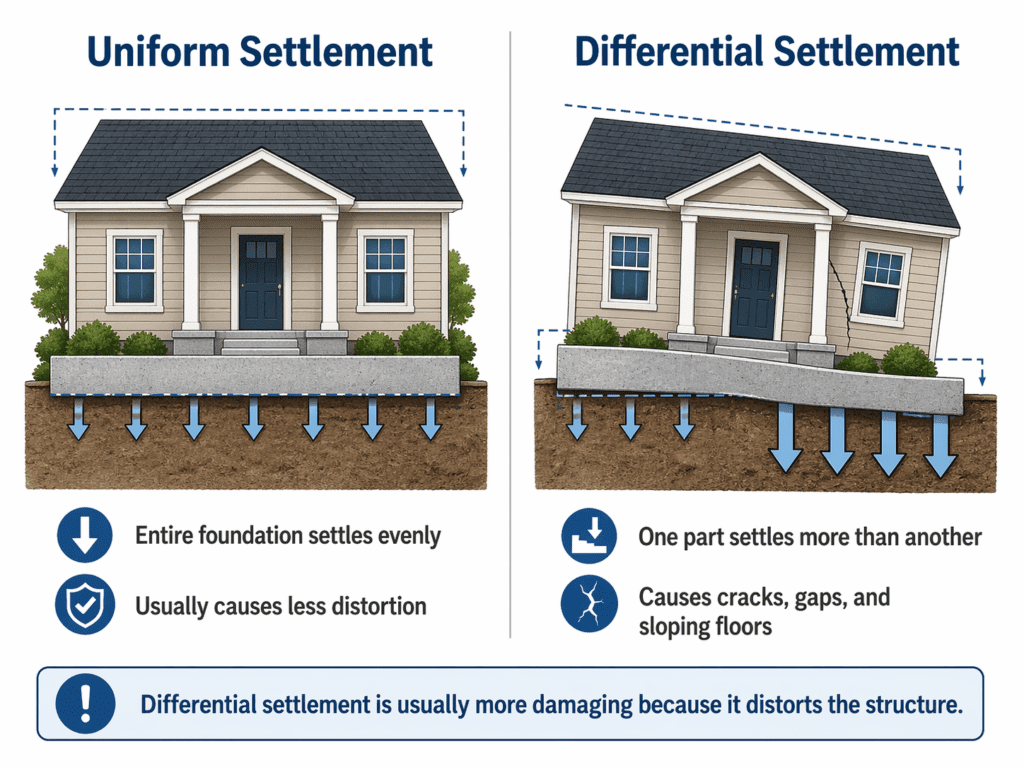
Uniform vs Differential Settlement
Foundation settlement becomes more serious when it is:
- Differential — one part settles more than another as seen in the image below
- Progressive — symptoms are getting worse
- Connected — cracks, sloping floors, sticking doors, and gaps appear together
If the signs are minor and stable, monitoring may be enough. If they are worsening or grouped together, get a professional assessment before paying for repair.
Engineer’s Settlement Diagnosis Checklist
Before choosing a repair, ask these questions:
| Question | Why it matters |
|---|---|
| Is movement uniform or differential? | Uneven movement usually causes more damage. |
| Are symptoms stable or worsening? | Active movement needs investigation. |
| Is water involved? | Drainage or leaks often drive settlement. |
| Are cracks linked with doors, floors, or windows? | Multiple symptoms increase concern. |
| What foundation type is it? | Slab, basement, crawl space, and pier-and-beam systems need different repair strategies. |
Call (888) 664-3492 to discuss your foundation problem with a local foundation repair professional.
Call Now: (888) 664-3492Small uniform settlement may not cause serious damage. The bigger concern is differential settlement, where one part of the foundation settles more than another.
The table below differentiates between different types of settlement terminologies used and can be helpful for the homeowners diagnosing the exact type.
| Movement type | What happens | Why it matters |
|---|---|---|
| Uniform settlement | Whole foundation settles similarly | May cause limited visible damage |
| Differential settlement | One area settles more than another | Causes cracks, gaps, slopes, and misalignment |
| Active settlement | Movement is still continuing | Needs closer investigation |
| Historic settlement | Movement happened in the past and stopped | May only need monitoring or cosmetic repair |
9 Signs of Foundation Settlement
These signs do not prove settlement by themselves. They matter more when they appear together or worsen over time.
1. Stair-step cracks in brick or block walls
Stair-step cracks following mortar joints can indicate uneven foundation movement, especially if they widen or appear near corners.
2. Diagonal cracks above doors or windows
Cracks from the corners of openings may suggest stress caused by differential movement.
3. Doors or windows that stick
One sticking door may be humidity. Several doors or windows becoming misaligned can suggest structural movement.
4. Uneven or sloping floors
A new or worsening floor slope is more concerning than an old, stable uneven floor.
5. Gaps around windows, doors, trim, or baseboards
Growing gaps can mean the frame is moving relative to finishes.
6. Cracks in drywall or plaster
Interior cracks are common, but repeated, diagonal, or widening cracks should be checked. Once the movement is fixed, you can use our drywall installation cost calculator to estimate the repair cost.
7. Chimney separation
A chimney pulling away from the house can indicate differential settlement because chimneys may bear differently than the main structure.
8. Slab or garage floor cracks
Slab cracks may come from shrinkage, settlement, heave, or voids. Displacement or widening makes them more important.
9. Repaired cracks that reopen
A crack that keeps returning after patching may mean the underlying movement has not stopped.
Homeowners in Wilson County can also see our guide to foundation repair in Lebanon, including local limestone, clay-rich soils, and drainage conditions.
What Causes Foundation Settlement?
Foundation settlement usually happens because the supporting soil changes. The soil beneath a home is part of the structural system; if that soil compresses, shrinks, washes out, or loses strength, the foundation can move.
Poorly compacted fill
If soil was placed and not compacted properly before construction, it may compress over time.
Soil shrinkage
Clay soils can shrink during dry periods, reducing support under parts of the foundation. The British Geological Survey explains that shrink-swell behavior in clay-rich soils is driven by moisture changes and can damage buildings when ground movement affects foundations.
Erosion or washout
Water movement can remove or weaken soil below slabs or footings.
Poor drainage
Short downspouts, poor grading, clogged gutters, and ponding water can create uneven moisture around the foundation.
If the problem is water entering the basement rather than foundation movement, our basement waterproofing cost guide explains the main drainage and waterproofing options.
Plumbing leaks
Leaks below slabs or near the foundation can soften or disturb soil.
Tree-related moisture change
Large trees close to a house may draw moisture from clay soils, contributing to shrinkage in some cases.
Structural or construction changes
Additions, removed walls, poor footing design, or unsuitable foundation systems can contribute to settlement. FEMA residential guidance also highlights that site soil conditions can affect structural design requirements, especially in regions where seismic or special site conditions are relevant.
Foundation Settlement Repair Options
The right repair depends on whether the movement is active, localised, severe, or water-related. These options are part of a wider set of foundation repair methods used for cracks, settlement, heave, and wall movement.
The table below suggests possible repair responses for different situations encountered in foundation settlement repair.
| Situation | Possible repair response |
|---|---|
| Minor stable settlement | Monitor and repair cosmetically |
| Poor drainage near foundation | Correct drainage first |
| Local slab drop | Slab lifting may help |
| Ongoing differential settlement | Piers or underpinning may be needed |
| Settlement linked to plumbing leak | Fix leak and reassess |
| Expensive or conflicting repair quotes | Get independent engineer review |
Common repair methods include:
Monitoring: useful when movement appears old, minor, and stable.
Drainage correction: often the first priority when water is contributing to soil movement.
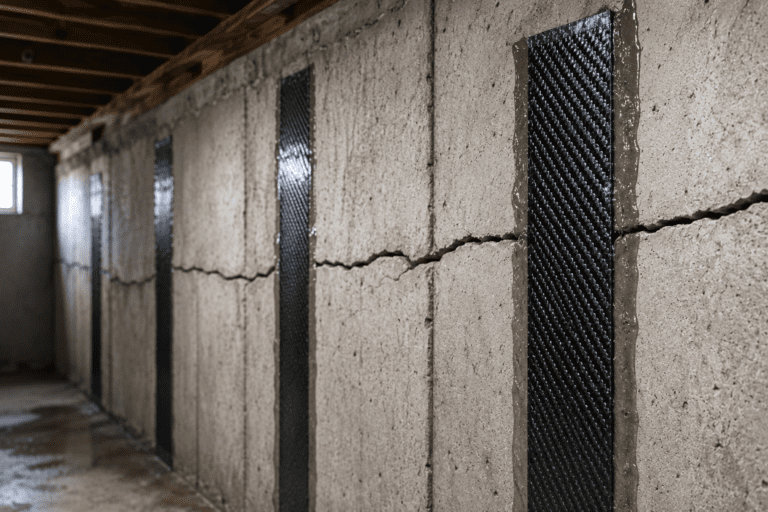
Crack repair: useful after movement is understood; not enough if settlement is active.
Slab lifting: mudjacking or polyjacking may help with local slab settlement.
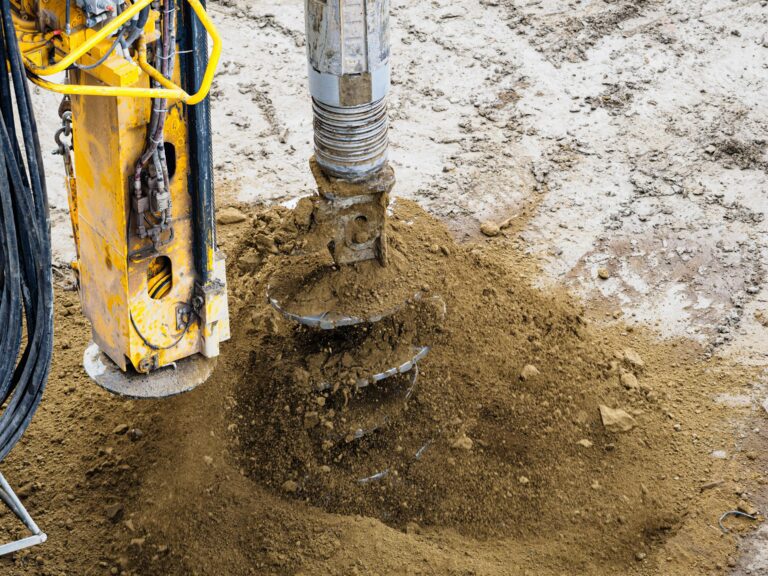
Helical piers or push piers: used when the foundation needs deeper support.
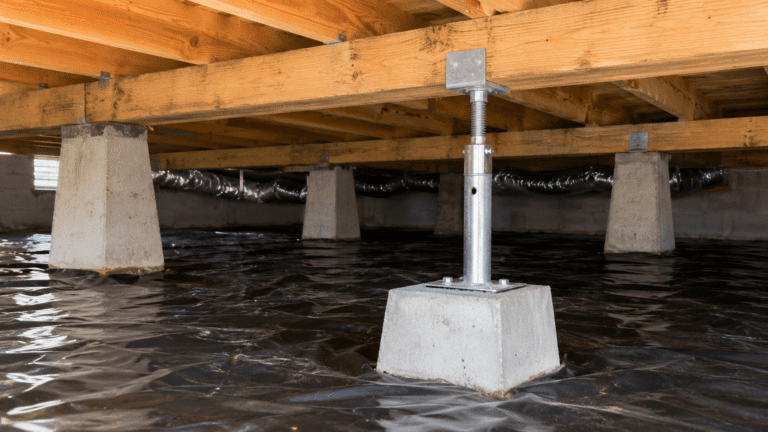
Underpinning: strengthens or extends the foundation support in more serious cases.
The best foundation settlement repair technique is not the one that simply hides the crack. It is the one that addresses why the crack appeared.
Foundation Settlement Repair Cost
Foundation settlement repair cost depends on severity and method. HomeAdvisor’s 2025 cost guide reports that foundation repair averages about $5,175, with many homeowners spending between $2,225 and $8,134; repair costs vary by location, home size, materials, and severity of damage.
Cost depends on:
- number of piers or underpinning points
- foundation type
- depth to suitable bearing soil
- access around the house
- slab removal or interior repairs
- drainage correction
- engineering or soil report
- local labour rates
- permits
These are homeowner cost-guide averages, not engineering estimates. A proper quote should explain the cause, proposed repair, exclusions, and warranty conditions.
You can also estimate foundation repair costs based on the repair method, quantity, and state.
If floors are sinking, cracks are growing, or doors are starting to stick, call (888) 664-3492 now to discuss your project with a local foundation repair professional.
Call Now: (888) 664-3492Contractor or Structural Engineer: Who Should You Call?
A foundation contractor can inspect and propose repairs. Many are reputable, but contractors often sell specific repair systems.
A structural engineer provides an independent assessment and can help determine whether settlement is structural, cosmetic, active, historic, drainage-related, or soil-related.
Call a structural engineer first if:
- cracks are widening
- stair-step masonry cracks are visible
- floors are noticeably sloping
- a chimney is separating
- contractor quotes differ widely
- the repair quote is expensive
- you are buying a house with settlement signs
- cracks, doors, windows, and floor slopes appear together
For major foundation settlement repair, an independent engineering opinion can prevent paying for the wrong solution.
FAQs
Is foundation settling normal?
Minor foundation settling can occur, especially early in a home’s life. The concern increases when settlement is uneven, progressive, or linked with cracks, sloping floors, sticking doors, or gaps.
Can foundation settlement be repaired?
Yes. Depending on the cause, repair may involve drainage correction, crack repair, slab lifting, piers, underpinning, or foundation stabilization.
What is differential settlement in a foundation?
Differential settlement occurs when one part of a foundation settles more than another. It is often more concerning than uniform settlement because it creates distortion, cracks, floor slopes, and door/window misalignment.
Can I just patch settlement cracks?
Only if the movement is no longer active. If the foundation is still settling, patching cracks only hides the symptom.
Is foundation settlement repair always expensive?
No. Some cases may only need monitoring, drainage correction, or limited repair. Structural stabilization with piers or underpinning is more expensive.