Concrete Foundation Underpinning: Methods, Process, and Cost
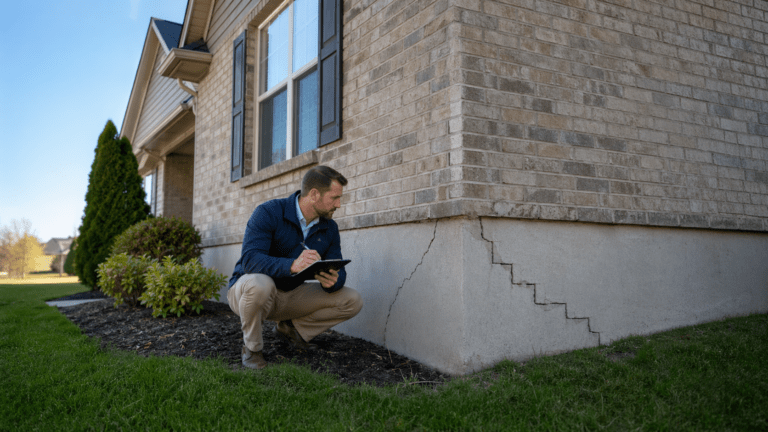
Concrete foundation underpinning strengthens or deepens an existing foundation by adding new support below the original footing. It is used when a footing settles, the soil loses bearing capacity, a basement is lowered, or new structural loads are added. Common methods include mass concrete underpinning, beam and base underpinning, and mini-piled underpinning with push piers, helical piers, or micropiles.
Foundation underpinning is not a foundation repair to rush as its an expensive process. Before hiring a contractor or structural engineer, you should understand the cause, method, cost, and risks.
Why Underpinning Is Needed
In my experience, underpinning is usually considered for one of four reasons.
- The first is weak soil. Expansive clay, loose fill, washed-out soil, or poorly compacted soil may stop supporting the footing properly.
- The second is added load. A second story, heavy equipment, a structural change, or a change in building use may place more load on the existing foundation than it was designed to carry.
- The third is basement lowering. If a basement floor is excavated below the bottom of the existing footing, the footing needs support before soil is removed beside or below it.
- The fourth is nearby excavation. Digging close to an existing building can remove support from the foundation and trigger settlement or lateral movement.
Do not start underpinning until someone has explained the cause of movement. Guessing below a foundation is a costly way to learn.
Call (888) 664-3492 to discuss settlement, piers, or foundation stabilization with a local foundation repair professional.
Call Now: (888) 664-3492Types of Concrete Foundation Underpinning
The table below gives a quick reference to the common foundation underpinning methods and there advantages and limitations. Each method is explained in the section below with visual schematics.
| Method | Best use | Main advantage | Main limitation |
|---|---|---|---|
| Mass concrete underpinning | Shallow foundation with accessible soil | Simple and proven | Slow and excavation-heavy |
| Beam and base underpinning | Continuous walls or heavier loads | Spreads load to designed points | Needs engineered beam design |
| Mini-piled underpinning | Deep weak soil or tight access | Transfers load to deeper bearing | Higher specialist cost |
| Push piers | Settlement where deep support is reachable | Good for stabilization or lift | Needs enough structure weight |
| Helical piers | Lighter structures and suitable soils | Installed with torque monitoring | Capacity depends on soil |
| Micropiles | Tight access, heavy loads, deeper support | Strong deep foundation option | Higher design and drilling cost |
Mass Concrete Underpinning
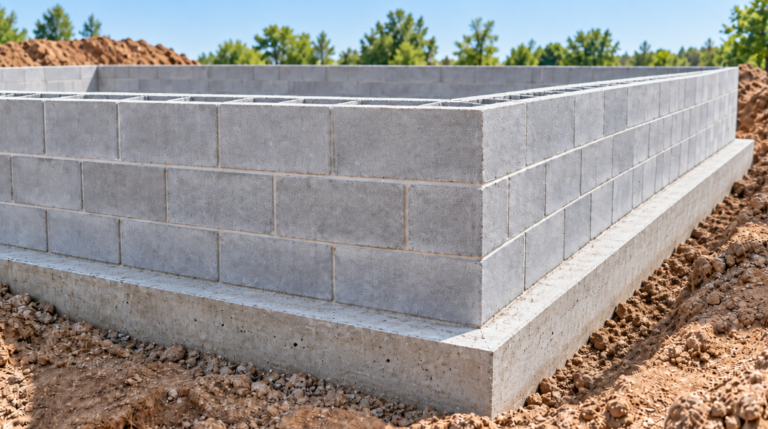
Mass concrete underpinning is the traditional pit method. Contractors excavate small pits below the existing footing and fill them with concrete. The schematic is shown in figure below.
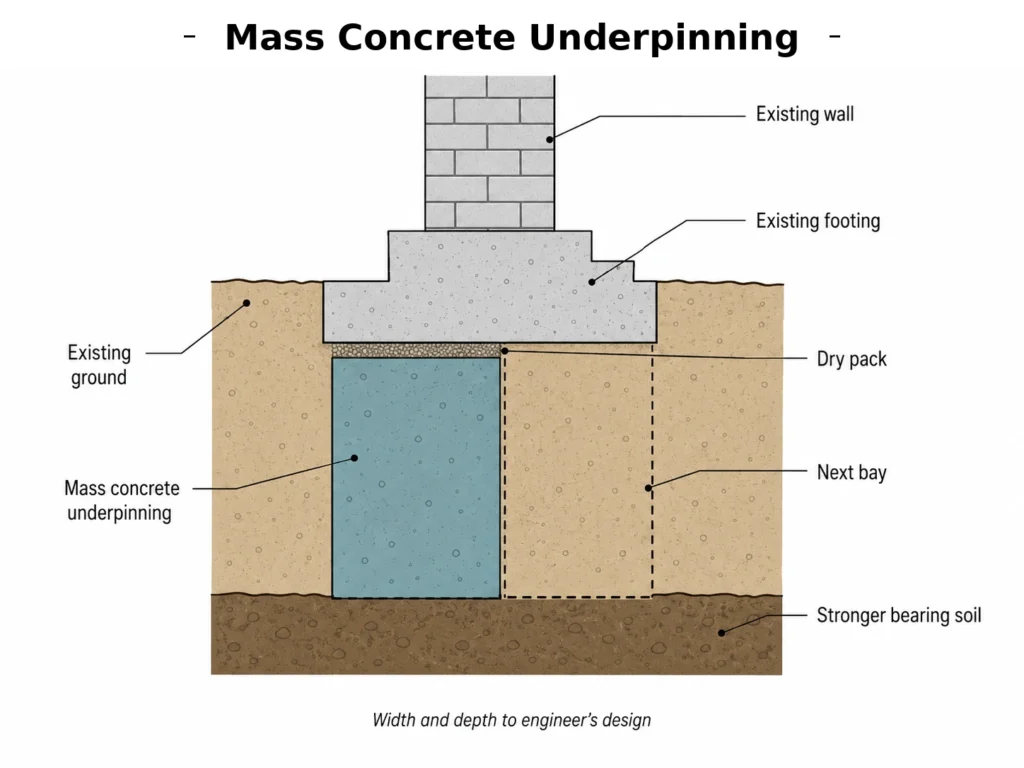
The work is done in short sections. Crews do not dig one long trench below the wall. They excavate non-adjacent bays first, then return to the skipped bays after the first sections have gained enough strength. This is often called a hit-and-miss sequence.
This sequence keeps the structure supported during the work.
A typical bay may be about 3 to 4 feet wide, but the actual bay size depends on the wall load, footing condition, soil, access, and engineer’s plan.
The new concrete usually stops slightly below the old footing. The final gap is packed with dry pack mortar or another low-shrinkage material. This creates tight contact between the existing footing and the new underpinning.
Mass concrete underpinning works best when stronger soil is not too deep and the contractor has enough working space. It becomes less practical when the bearing layer is far below the foundation.
The dry pack connection is important. If that connection is loose, the new concrete may sit below the footing without properly carrying the load.
Beam and Base Underpinning
Beam and base underpinning uses a reinforced concrete or steel beam to transfer foundation load to a series of deeper bases.
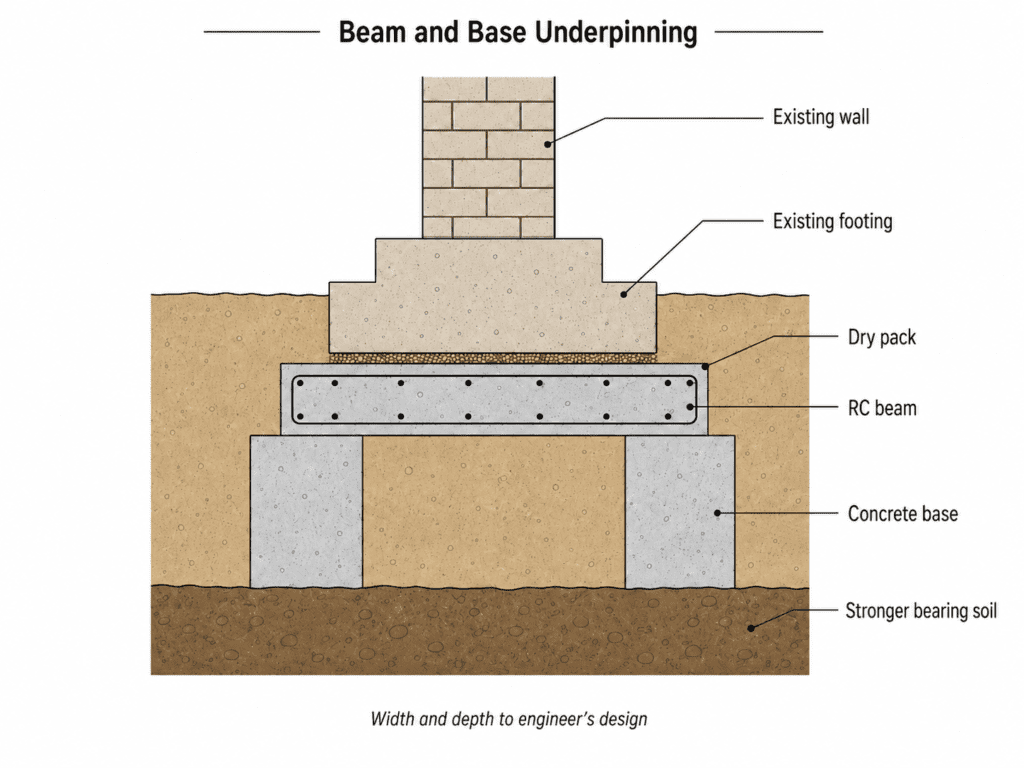
Instead of adding a continuous block of concrete under the full wall, the beam spreads the load to designed bearing points. This can reduce excavation and give the engineer more control over load transfer.
This method is useful when the existing wall carries heavier loads, when the soil varies along the foundation, or when support is needed deeper than a simple mass concrete section can reasonably reach.
The beam has to be designed. It must handle bending, shear, bearing, and connection to the existing foundation.
Pile and Beam Underpinning
Pile and beam underpinning combines deep piles with a reinforced concrete beam. The piles carry the load down to deeper bearing soil or rock. The beam collects the load from the existing wall or footing and transfers it to the piles.
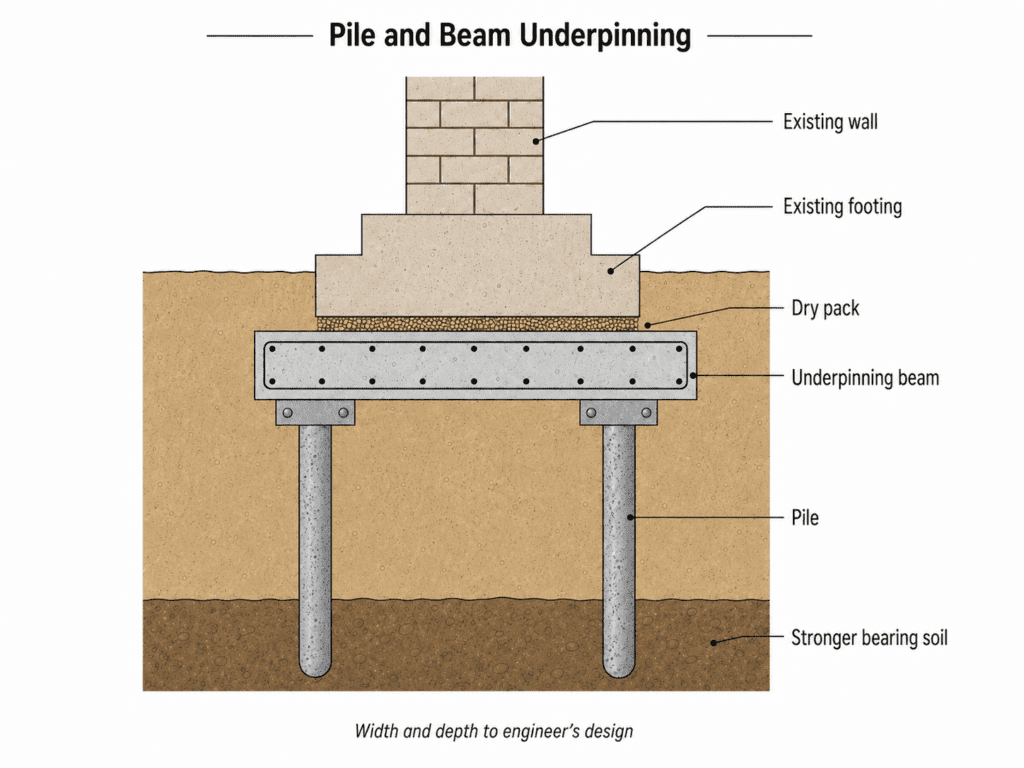
This method is useful when shallow soil is unreliable and the structure needs stronger support than a simple mass concrete system can provide.
If you want to understand how the piles themselves carry load, see our guide to foundation pilings.
Mini-Piled Underpinning
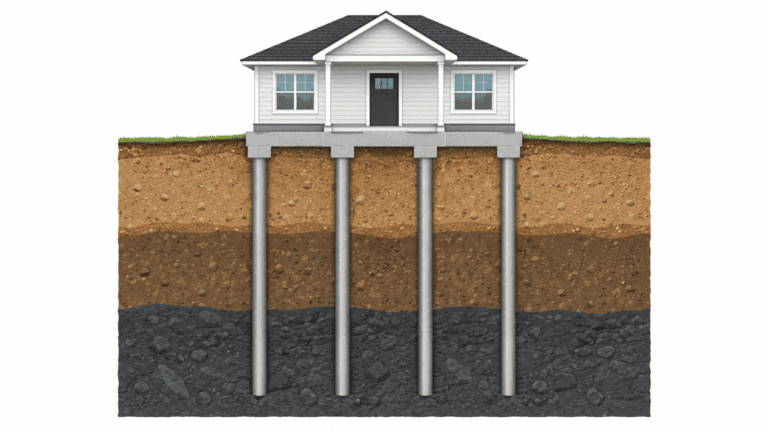
Mini-piled underpinning transfers load to deeper soil or rock using smaller deep foundation elements. It is often used where access is tight, settlement is significant, or the competent bearing layer is too deep for mass concrete underpinning.
This group includes push piers, helical piers, and micropiles.
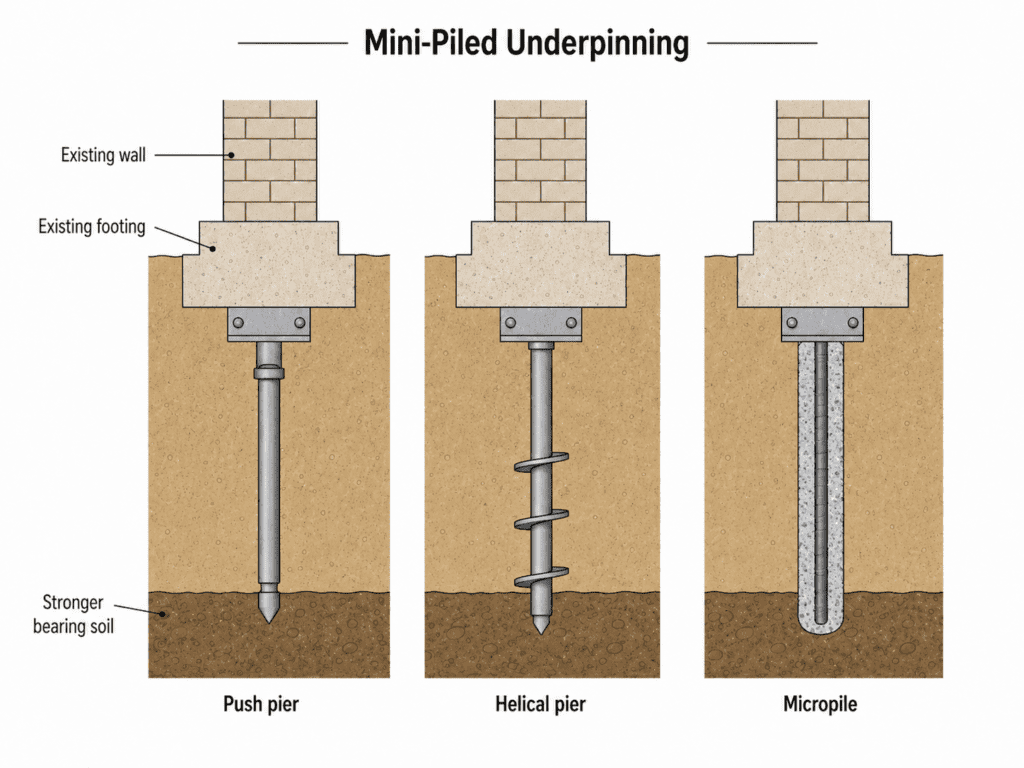
Push piers are driven down until they reach competent bearing or refusal. They connect to the existing footing with steel brackets. They are common in foundation settlement repair.
Helical piers screw into the ground using steel helix plates. Installers track torque during installation, and the design should confirm that the installed pier capacity is enough for the structure.
Micropiles are small-diameter drilled and grouted piles. They are useful where access is restricted, loads are high, vibration must stay low, or deeper bearing support is needed.
Micropiles are not only an alternative to underpinning. When they support an existing footing, they are a type of underpinning.
Helical tiebacks are different. They mainly resist lateral wall movement. They may help with bowing or leaning basement walls, but they are not the same as vertical underpinning for a settled footing.
Which Underpinning Method Fits Best?
| Site condition | Better repair direction |
|---|---|
| Shallow weak soil with good access | Mass concrete underpinning |
| Wall needs load spread along its length | Beam and base underpinning |
| Bearing soil is deep | Push piers, helical piers, or micropiles |
| Basement floor is being lowered | Mass concrete or engineered beam and base |
| Tight access near property line | Mini-piled underpinning |
| Bowing wall without vertical settlement | Wall anchors or tiebacks |
| Wet soil or poor grading caused movement | Fix drainage first |
| Stable crack with no movement | Crack repair, not underpinning |
The best method depends on soil, load, depth, access, foundation type, and the cause of movement.
Cost matters, but it should not choose the repair by itself.
Concrete Foundation Underpinning Process
1. Inspect the foundation
The inspection should document cracks, settlement, floor slopes, wall movement, footing exposure, drainage, soil condition, and signs of active movement.
A good inspection separates symptoms from causes.
2. Confirm the cause
Underpinning should not start until the cause is understood. Soil shrinkage, poor fill, erosion, plumbing leaks, added load, and nearby excavation do not all require the same repair.
3. Prepare an engineered plan
The plan should show the method, sequence, support spacing, expected depth, load transfer, inspection points, and drainage repairs.
For existing concrete structures, the repair should follow recognized assessment and repair principles. ACI 562 is a useful reference for assessment, repair, and rehabilitation of existing concrete structures.
4. Excavate or install supports in sequence
For mass concrete or beam and base underpinning, crews excavate controlled sections. For pier systems, they expose the footing and install brackets and piles at designed locations.
The sequence of these steps is important. Poor sequencing can leave too much of the foundation unsupported.
5. Transfer the load
The new support must connect properly to the existing foundation. This may happen through dry pack, brackets, beams, pile caps, or other designed details.
This is where poor workmanship can ruin an otherwise good plan.
6. Backfill and correct drainage
After underpinning, the excavation is backfilled. Drainage, downspouts, grading, waterproofing, and soil compaction should be corrected where needed.
7. Monitor movement
Monitoring helps confirm whether the repair stopped active movement. It also helps separate old cosmetic cracks from new foundation movement.
Most underpinning work needs local permits and inspection because it changes support below an existing structure.
How Much Does Concrete Foundation Underpinning Cost?
Concrete foundation underpinning is usually a major repair. A full residential underpinning project often falls between $18,000 and $65,000. Smaller pier-only jobs may cost less. Deep, access-limited, or heavily engineered jobs may cost more.
| Repair type | Typical project range |
|---|---|
| Mass concrete underpinning | $15,000 to $40,000 |
| Beam and base underpinning | $25,000 to $60,000 |
| Push pier or helical pier underpinning | $7,000 to $70,000 |
| Micropile underpinning | Often higher due to drilling and grouting |
| Major engineered underpinning | $18,000 to $65,000+ |
The main cost drivers are:
- Depth to competent bearing soil
- Number of bays, bases, piers, or piles
- Access around the foundation
- Excavation difficulty
- Structural load
- Permit and inspection needs
- Engineering fees
- Drainage or waterproofing work
- Interior floor or basement restoration
For complete foundation repair cost data, visit our extensive foundation repair cost study by states in US.
If your foundation is settling or you have been quoted for piers or underpinning, call (888) 664-3492 now to discuss the project with a local foundation repair professional.
Call Now: (888) 664-3492When Underpinning Is Not the Right Repair
Not every foundation problem needs concrete foundation underpinning.
Drainage correction may solve the cause when water is softening soil or washing soil away.
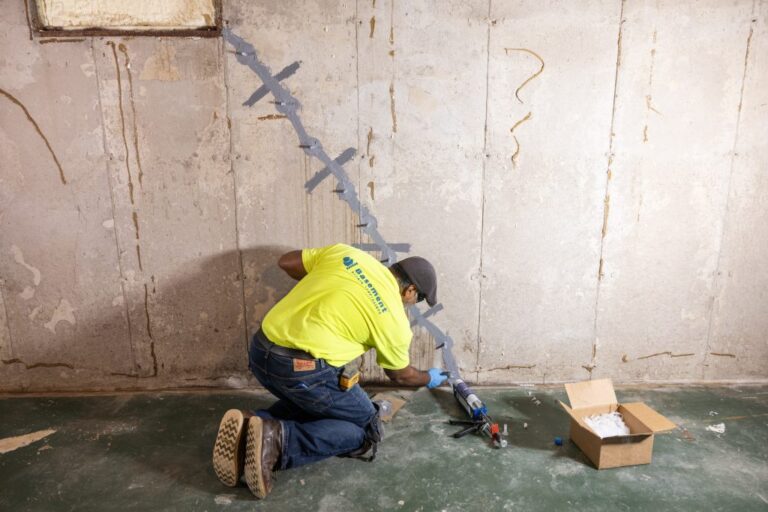
Foundation crack repair, such as epoxy or polyurethane injection, may be enough for a stable, non-moving crack.
Slab lifting may work for settled flatwork, but it does not support a moving footing.
Grout injection, resin injection, and polyurethane injection can fill shallow voids, densify loose soil, and lift some minor settled areas. These methods are quick and low disruption compared with excavation-based underpinning. They are not a replacement for concrete foundation underpinning when the footing has major problems.
Wall anchors and helical tiebacks are useful for lateral wall movement. They are not vertical underpinning.
Basement benching is sometimes used when lowering a basement floor. It leaves a bench of soil or concrete along the wall instead of digging below the footing. It reduces usable floor area, but it may reduce risk near the existing foundation.
Questions to Ask Before Hiring a Contractor
Ask these before signing:
- What caused the movement?
- Has a structural engineer reviewed the repair?
- What soil information supports the method?
- How many bays, bases, piers, or piles are included?
- What load capacity is assumed?
- What depth is expected?
- What happens if competent bearing is deeper than expected?
- How will the crew protect the foundation during excavation?
- What permits and inspections are required?
- What drainage work is included?
- What restoration work is excluded?
- What warranty covers movement after repair?
Engineer note: A cheap underpinning quote with no diagnosis is a red flag. The contractor should explain the load path, the sequence, and the limits of the repair.
Common Mistakes
- Starting underpinning before finding the cause
- Ignoring drainage and soil moisture
- Calling helical tiebacks vertical underpinning
- Installing piers without capacity checks
- Excavating too much of the footing at once
- Rushing the dry pack or load-transfer step
- Treating every crack as settlement
- Comparing major underpinning with minor crack repair
- Skipping engineer review on structural movement
Final Engineer Advice
Proper structural diagnosis is very important before finalizing the repair method.
Concrete foundation underpinning is the right choice when the existing footing needs a new load path to better support. It is the wrong choice when the real problem is drainage, a stable crack, or a bowing wall that needs lateral restraint.
Before you approve underpinning, make sure the contractor explains the cause, soil condition, load path, installation sequence, and inspection plan.
If those points are missing, the quote is not final.
FAQs
What is concrete foundation underpinning?
Concrete foundation underpinning strengthens or deepens an existing foundation by adding new support below the original footing. It transfers the building load to stronger soil, rock, piers, or piles.
Why would a foundation need underpinning?
A foundation may need underpinning because of settlement, weak soil, erosion, added structural load, basement lowering, or nearby excavation that has reduced support.
Is underpinning the same as foundation repair?
Underpinning is one type of foundation repair. Foundation repair also includes crack sealing, waterproofing, drainage correction, wall anchors, slab lifting, and crawl-space support repairs.
How long does underpinning take?
Small pier jobs may take a few days to a few weeks. Mass concrete or beam and base underpinning often takes longer because crews work in staged sections. Soil, inspections, access, and concrete strength requirements affect the schedule.
Is underpinning permanent?
Underpinning can be a long-term repair when the cause is correctly diagnosed, the support is properly designed, and drainage problems are corrected. It is not permanent if the soil problem continues.
Can I underpin a foundation myself?
No. Underpinning changes the structural support under a building. It needs engineering review, controlled excavation, safe sequencing, permits, and inspection.
Is micropiling an alternative to underpinning?
Micropiling is often a type of underpinning when it supports an existing foundation. It is used where access is tight, loads are high, or deeper bearing support is needed.