Stability of Structure: 10 Warning Signs
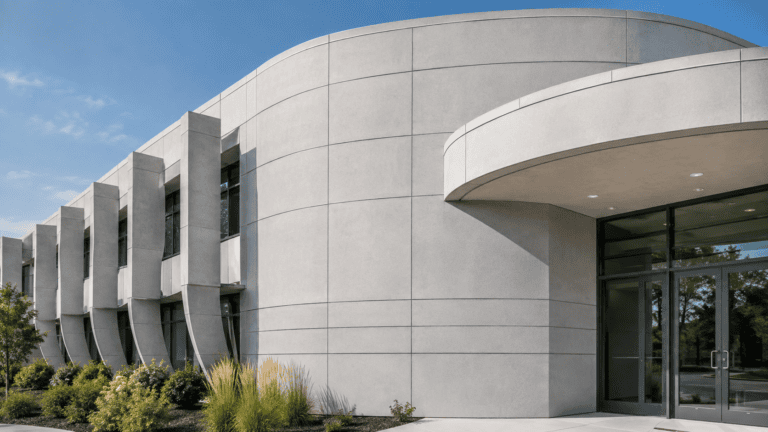
Stability of structure means a building can resist loads without sliding, overturning, buckling, leaning, or collapsing. A structure may look strong but still become unstable if the foundation moves, the load path is broken, bracing is missing, water weakens the soil, or walls and columns are overloaded.
Why Structural Stability Matters
Most people notice structural problems only when something visible appears: a crack, a sloping floor, a stuck door, or a leaning wall. But the real issue is usually hidden deeper.
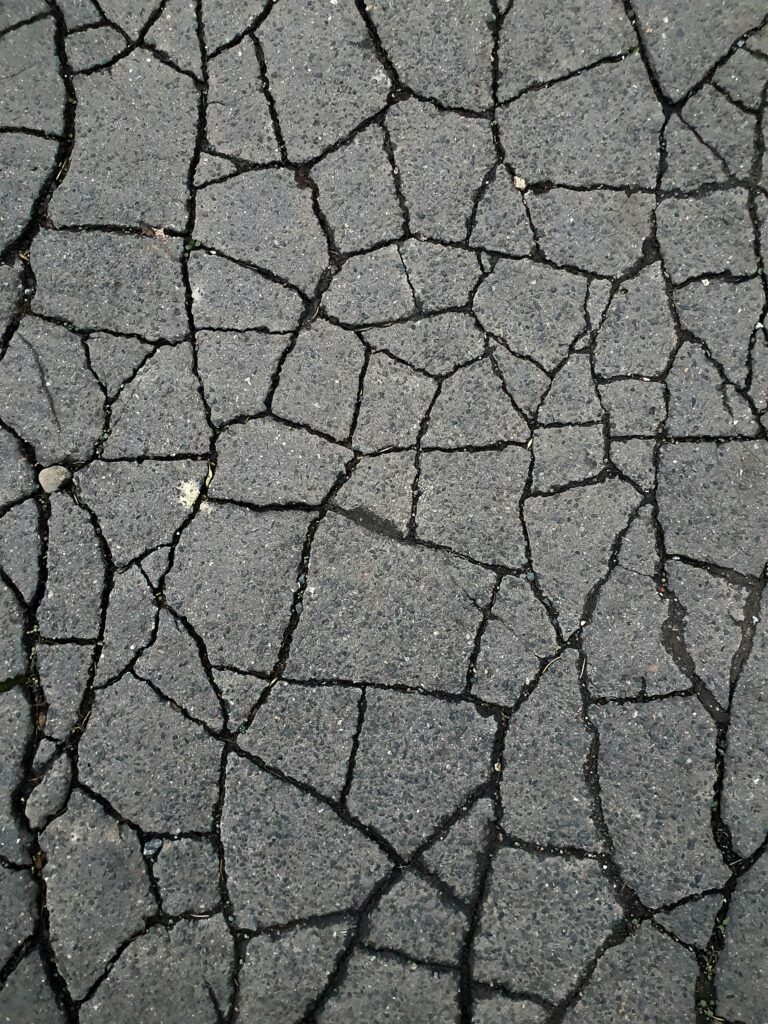
Some cracks are harmless, while others point to movement or overload. Our guide on what causes concrete to crack explains the difference between shrinkage, settlement, thermal movement, and structural cracking.
Good structural stability prevents small defects from becoming expensive problems. It also protects the main purpose of any building: keeping people safe.
Modern structural design does not only consider gravity loads. ASCE 7 includes dead, live, soil, flood, snow, rain, wind, seismic, and other environmental loads used in building design
10 Warning Signs of Structural Instability
Not every crack means danger. Buildings move slightly over time. Materials expand, shrink, and settle. But some signs deserve attention.
The table below gives a practical first check.
| Warning Sign | What It May Mean |
|---|---|
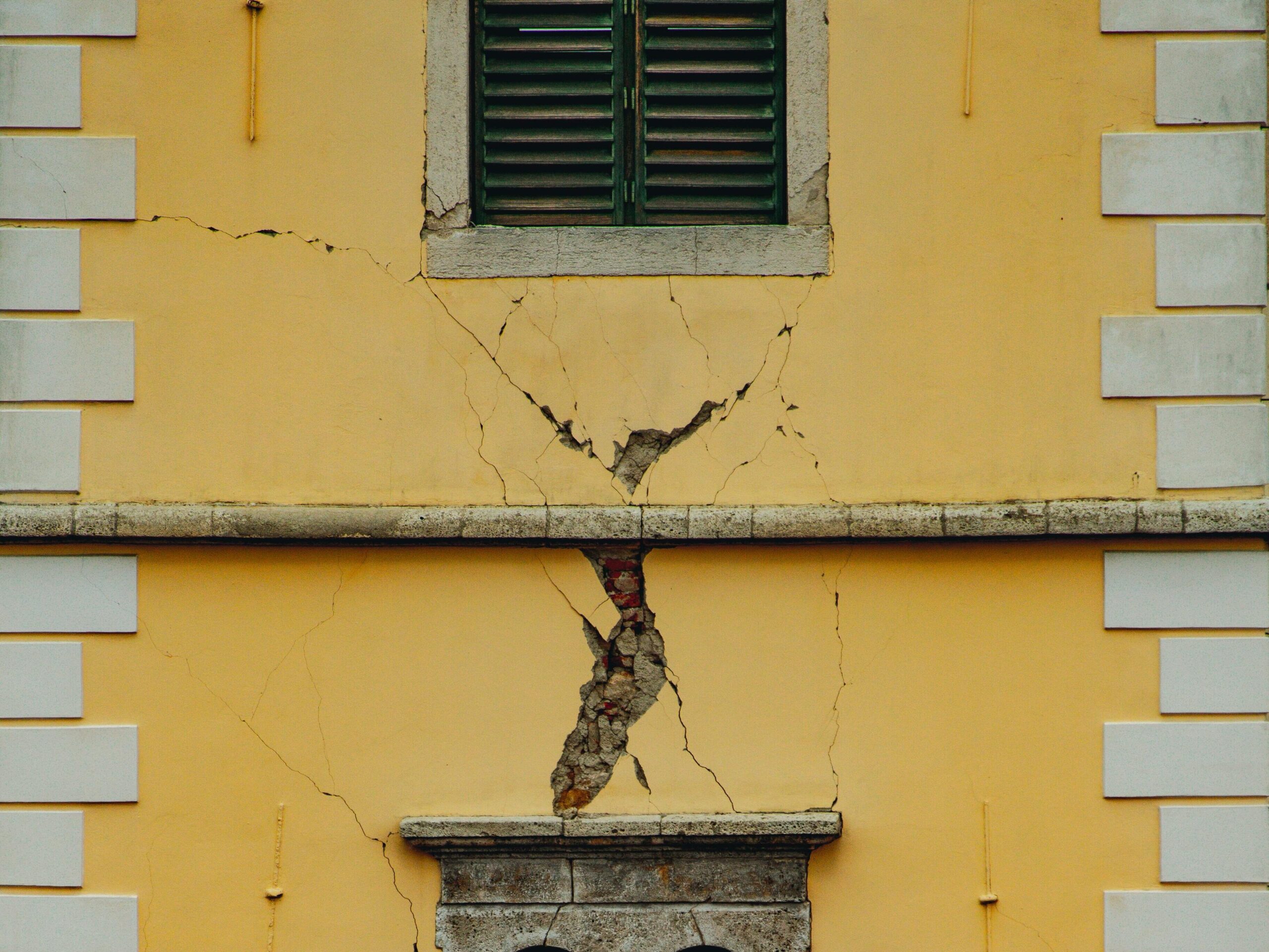
| Diagonal cracks from door or window corners | Possible settlement or frame distortion |
| Stair-step cracks in brick or block walls | Foundation movement or wall movement |
| Cracks that keep widening | Active movement |
| One side of a crack higher than the other | Differential settlement or displacement |
| Leaning retaining wall | Sliding, overturning, or poor drainage |
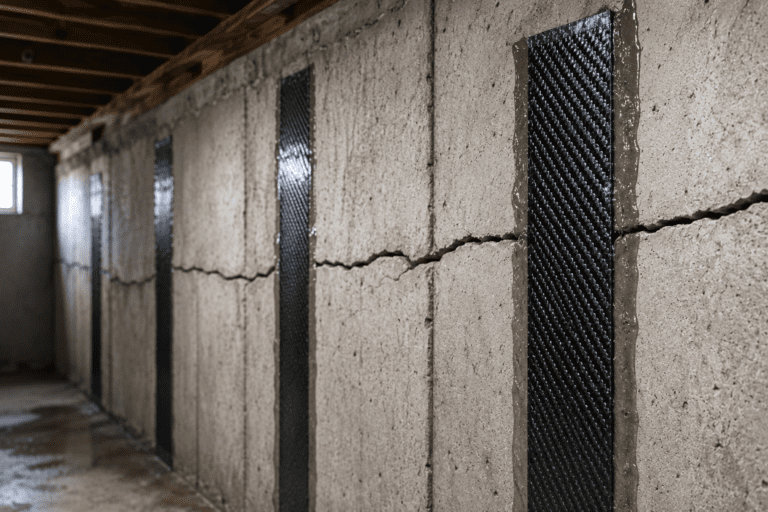
| Bowing basement wall | Soil or water pressure pushing inward |
| Sloping or uneven floors | Foundation or framing movement |
| Doors and windows suddenly sticking | Building frame distortion |
| Roof sagging | Weak, damaged, or overloaded roof members |
| Gaps between walls, ceilings, or floors | Movement between structural elements |
One warning sign alone does not always confirm structural failure. But if several signs appear together, or if the defect is getting worse, do not ignore it.
A building usually whispers before it shouts. The trick is to listen before the repair bill starts speaking in capital letters.
Common Causes of Structural Instability
1. Foundation Movement
The foundation carries the building. If the soil below it moves, the structure above it may move too.
Common causes include:
- weak soil
- poor compaction
- expansive clay
- erosion
- leaking pipes
- tree root effects
- poor drainage
- uneven loading
Foundation movement often shows up as wall cracks, sloping floors, gaps around doors, or cracks near windows. If you see cracks, uneven floors, or doors that suddenly stick, use our foundation crack repair guide to review the main warning signs before planning repairs.
2. Poor Load Path
A building needs a clear load path. Loads should travel from roof to walls, beams, columns, foundations, and soil.
Problems happen when that path is interrupted.
This can occur after:
- removing a load-bearing wall
- cutting structural members
- adding extra floors or heavy equipment
- poor beam-column connections
- badly planned renovations
- undersized supports
A renovation that looks simple on the surface can create a serious stability issue if it changes how loads move through the building.
3. Missing or Weak Bracing
Bracing helps a structure resist side movement. Without enough bracing, frames, walls, roofs, and columns may sway or buckle.
This is especially important for:
- steel frames
- timber roofs
- tall walls
- sheds
- temporary works
- slender columns
- structures exposed to wind or seismic action
A structure does not only need to resist vertical load. It also needs to resist sideways forces.
4. Water and Drainage Problems
Water is one of the most underrated causes of structural instability.
Poor drainage can:
- soften foundation soil
- wash out support beneath slabs
- increase pressure behind retaining walls
- corrode reinforcement
- rot timber
- cause repeated soil shrink-swell movement
In dry areas, people often forget drainage until one heavy storm exposes the problem. In wet areas, drainage problems are usually more obvious but just as damaging.
5. Retaining Wall Pressure
Retaining walls are stability-sensitive structures. They must resist soil pressure, water pressure, sliding, and overturning.
A leaning retaining wall is not just ugly. It may be a sign that the wall is losing stability.
Common causes include:
- poor drainage behind the wall
- no weep holes
- weak foundation
- excessive backfill pressure
- poor wall design
- added load near the top of the wall
If a retaining wall is moving, patching cracks will not solve the problem. The cause of pressure and movement must be fixed.
6. Buckling of Columns or Slender Members
Buckling happens when a slender compression member bends sideways and loses stability.
This can affect:
- columns
- braces
- roof members
- scaffold members
- steel posts
- temporary supports
Buckling can be sudden, which is why engineers pay attention to unsupported length, bracing, slenderness, and end conditions.
7. Corrosion and Material Deterioration
Materials lose capacity when they deteriorate.
Examples include:
- rebar corrosion in concrete
- rusting steel beams
- timber rot
- termite damage
- weak mortar in masonry
- spalling concrete
- moisture-damaged roof members
If deterioration affects a load-bearing element, it can reduce stability of structure.
How Engineers Check Structural Stability
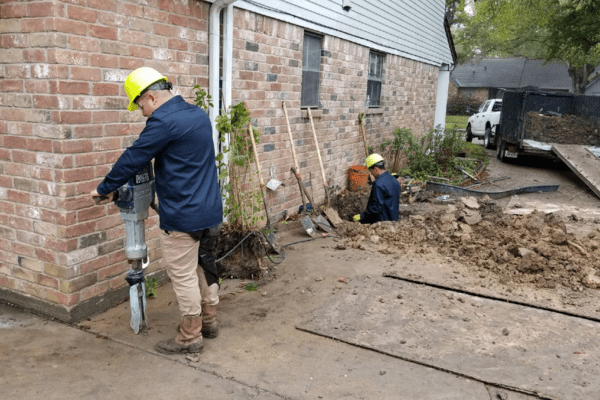
A structural engineer does not judge stability of structure from one crack alone. The full system must be checked.
Engineers commonly look at:
- load path
- foundation support
- soil conditions
- column slenderness
- wall bracing
- beam and slab spans
- lateral resistance
- sliding and overturning
- settlement pattern
- crack width and direction
- corrosion or material damage
- drainage and water effects
- previous renovations
Building codes also set minimum structural requirements. FEMA explains that building codes provide minimum design and construction requirements to protect building owners, occupants, and the public. The International Building Code includes structural design provisions for loads and structural performance requirements.
When to Call a Structural Engineer
Call a structural engineer if you notice:
- cracks wider than about 5 mm
- cracks that are growing
- diagonal cracks near doors or windows
- stair-step cracks in masonry
- wall bulging or bowing
- leaning retaining walls
- sloping floors
- roof sagging
- foundation settlement
- corrosion with concrete spalling
- cracks after removing walls or renovating
- structural damage after flood, wind, fire, or earthquake
A hairline plaster crack may be cosmetic. A widening diagonal crack through masonry is different. The first may need paint. The second may need a professional inspection.
Final Thoughts
The stability of structure is about keeping a building safe under real loads and real site conditions. It is not only about strong concrete, thick walls, or heavy beams.
A stable structure must resist:
- sliding
- overturning
- buckling
- settlement
- lateral movement
- excessive deformation
- progressive damage
For homeowners, the key lesson is simple: look for movement, not just cracks. A crack that is narrow, old, and stable may not be serious. A crack that is widening, diagonal, displaced, or linked with sticking doors and sloping floors needs attention.
FAQs
What is stability of structure?
Stability of structure means a building or structural element can resist loads without sliding, overturning, buckling, excessive movement, or collapse.
What is the difference between strength and stability?
Strength is the ability to resist stress without breaking. Stability is the ability to avoid buckling, sliding, overturning, or losing equilibrium.
What causes structural instability?
Common causes include foundation settlement, poor load path, missing bracing, water damage, soil movement, corrosion, poor construction, and overloading.
Are wall cracks always structural?
No. Some wall cracks are cosmetic or shrinkage-related. Diagonal, widening, displaced, or stair-step cracks are more concerning.
Can water affect building stability?
Yes. Water can weaken soil, increase pressure behind walls, corrode steel, rot timber, and cause foundation movement.
When should I call a structural engineer?
Call an engineer if cracks are growing, walls are leaning or bowing, floors are sloping, roofs are sagging, or the building shows signs of active movement.