Roofing Maintenance for Desert Climates: Heat, UV and Storm Protection
Roofing maintenance for desert climates should focus on UV damage, heat-related cracking, dust buildup, dried sealants, blocked drainage paths, attic ventilation and sudden storm leaks. Inspect the roof before peak summer and again before the rainy or monsoon season. Tile roofs, flat roofs, metal roofs and asphalt shingles all need different checks in hot, dry regions.
A desert roof does not get many rainy days, but when one arrives, it often makes up for lost time. The usual story is simple: the sun dries the sealant, dust blocks the drain, a tile cracks, and then one storm finds every weak spot like it had a checklist.
This guide is most useful for homeowners in hot, dry regions such as Arizona, Nevada, New Mexico, West Texas, inland Southern California and similar desert or semi-desert climates.
Why Desert Roofs Need Different Maintenance
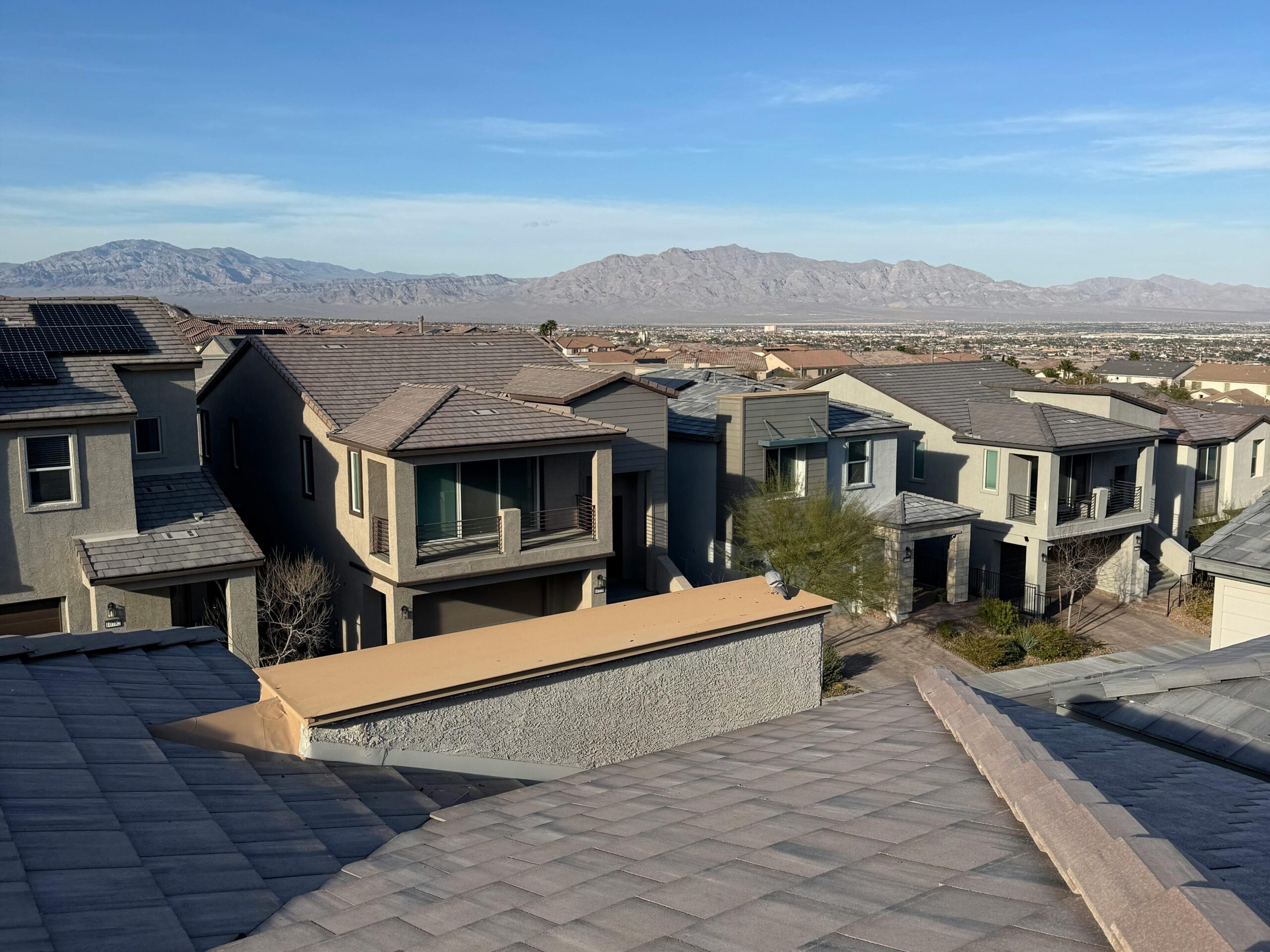
Roofing maintenance for desert climates is different because desert roofs deal with intense sunlight, dry heat, dust, wind and occasional heavy rain.. Low rainfall does not mean low roof risk. It usually means damage stays hidden longer.
The U.S. Department of Energy notes that conventional roofs can reach about 150°F or more on sunny summer afternoons. That level of heat can speed up ageing in shingles, sealants, coatings, membranes and roof penetrations.
Common desert roofing systems include clay tile roofs, concrete tile roofs, asphalt shingle roofs, metal roofs, flat roofs and coated low-slope roofs. Each material handles heat differently, but none of them enjoy being baked all summer like a driveway.
Poor attic ventilation and roof ventilation can make the problem worse. Heat trapped below the roof deck may shorten the life of shingles, underlayment and some roof coatings.
In desert climates, blocked or undersized soffit vents can trap hot air in the attic and increase roof temperature. If you are replacing damaged eaves or checking ventilation coverage, use our soffit calculator.
If the repair also involves rafter tails, roof overhangs, or new roof framing, use our rafter spacing calculator to estimate rafter count, spacing, and rafter length calculator before planning the roof-edge work.
Desert Roof Maintenance Schedule
A simple schedule makes roofing maintenance for desert climates much easier to manage.
| Timing | What to check |
|---|---|
| Before summer | Sealants, coatings, shingles, tiles and attic heat |
| Before monsoon season | Gutters, scuppers, valleys and downspouts |
| After dust storms | Blocked drainage paths and debris buildup |
| After heavy rain | Attic stains, ceiling spots and flat roof ponding |
| Every 2–3 years | Professional roof inspection |
This is especially useful for Arizona-style desert climates, where roofs may face extreme summer heat, dust storms and sudden monsoon rain in the same year.
What to Check on a Desert Roof
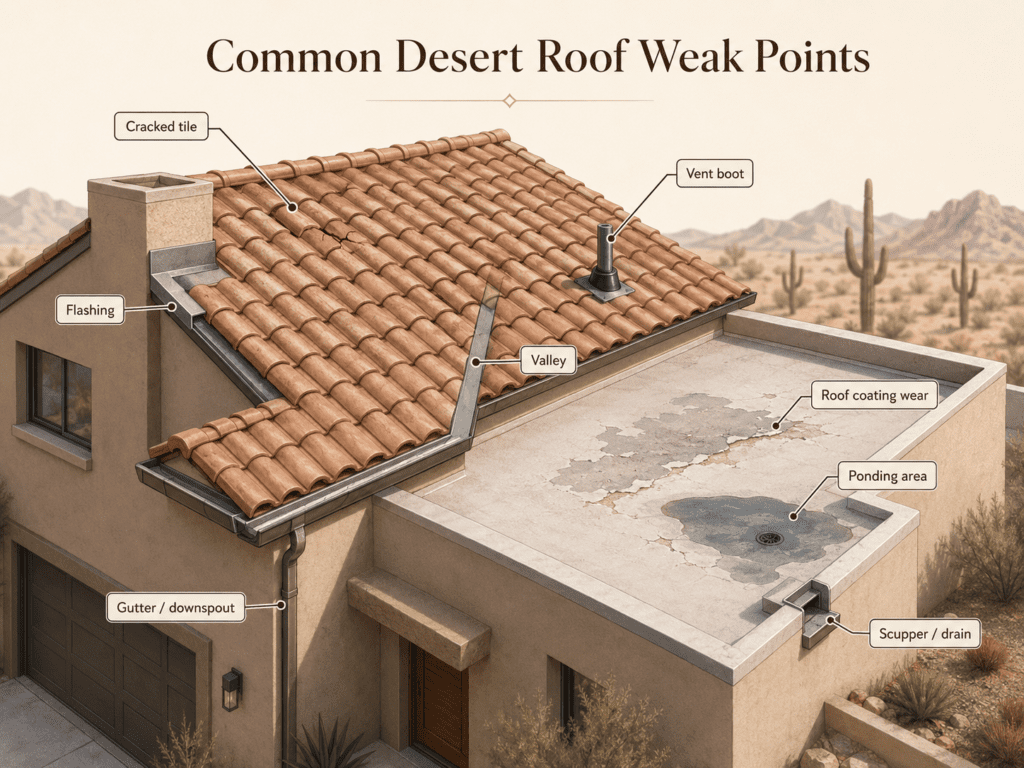
For roofing maintenance for desert climates, focus on the places where heat, UV, dust and sudden rain usually cause trouble.
Check asphalt shingles for curling, brittleness, granule loss and lifted tabs. Check tile roofs for cracked, slipped or broken tiles, especially after wind or foot traffic.
On flat roofs, look for blisters, open seams, worn coatings, ponding marks and blocked scuppers. On metal roofs, check loose fasteners, worn washers, coating scratches and cracked sealant around penetrations.
Also inspect flashing, valleys, gutters, pipe boots, vents, skylights and solar mounts. These are the places where small movement, dried sealant or trapped debris can turn into a roof leak later.
If your gutters are cracked, undersized or pulling away from the fascia, use our gutter installation cost calculator to estimate replacement cost before calling contractors.

How Heat, UV and Dust Damage Roofs
Heat and UV exposure affect roofing materials in different ways. Asphalt shingle roof maintenance should focus on curling, granule loss, lifted tabs and brittle shingles. These problems often appear faster in hot, dry climates.
Tile roofs usually handle heat well, but the hidden tile roof underlayment still ages. A cracked tile is not just ugly. It is the roof version of leaving a window cracked open before a storm.
Flat and low-slope roofs need special care because dust can reduce coating reflectivity, block drains and hide cracks. Elastomeric roof coating, reflective roof coating and white roof coating systems can reduce heat absorption, but they still need cleaning, adhesion checks and recoating when worn.
ENERGY STAR explains that effective cool roofs rely on solar reflectance and thermal emittance. In simple terms, they reflect sunlight and release absorbed heat more effectively.
A desert roof does not only experience “hot weather”. It experiences repeated expansion and contraction, also called thermal cycling.
Metal panels, fasteners, sealants, membranes and flashings all move slightly as temperatures change. Over many cycles, small gaps can become leak paths.
Roof Maintenance by Roof Type
Asphalt Shingle Roof Maintenance
Inspect asphalt shingles from the ground first. Look for curled edges, cracked shingles, lifted tabs, missing pieces and shiny bald areas where granules have worn away.
Avoid walking on hot shingles. Heat can make older shingles easier to scuff or damage.
Tile Roof Maintenance: Clay and Concrete Tiles
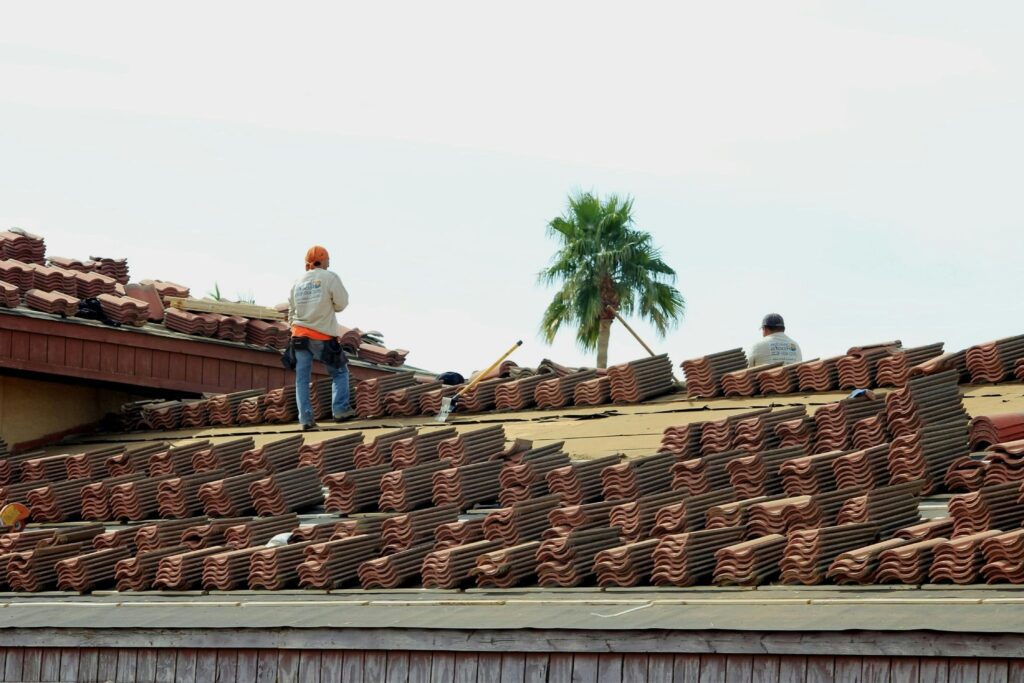
Clay tile roof maintenance and concrete tile roof maintenance both depend on keeping the visible tiles and hidden underlayment protected. Check for cracked tiles, slipped tiles, exposed underlayment, blocked valleys and damaged ridge details.
Delayed roof tile repair can expose the underlayment to sun and stormwater. The repair bill will not care that the crack looked “small enough to ignore”.
Flat Roof Maintenance in Hot Dry Climates
Flat roofing maintenance for desert climates should focus on drainage and coating condition. Check for ponding marks, blocked scuppers, cracked coatings, open seams and loose parapet flashing.
If your flat roof holds water after a storm, it is not building a backyard pool. It needs drainage help.
For flat roofs, inspect common systems such as TPO, modified bitumen and coated roof membranes for open seams, blisters and ponding water marks.
Metal Roof Maintenance in Desert Climates
Metal roof maintenance in hot climates should focus on movement. Check loose fasteners, worn washers, coating scratches, lifted panels and cracked sealant around vents, skylights and other penetrations.
Small fastening problems can become leak problems if ignored.
Desert Roof Maintenance Checklist
Use this checklist before summer and again before the rainy or monsoon season.
| Roof area | What to check | Why it matters |
|---|---|---|
| Shingles | Curling, brittleness, granule loss | Heat and UV age asphalt faster |
| Tiles | Cracked, slipped or broken tiles | Tiles protect the underlayment |
| Flat roof | Blisters, seams, ponding marks | Heat and dust stress coatings and membranes |
| Coating | Chalking, peeling, worn areas | Dirty coatings lose reflectivity |
| Sealants | Split, missing or brittle sealant | Heat dries sealants around penetrations |
| Flashing | Gaps, lifted edges or loose metal | Flashing is a common leak point |
| Gutters/scuppers | Dust, leaves, nests or blockage | Sudden rain needs clear drainage |
| Attic | Heat buildup, stains, damp insulation | Attic clues reveal heat or leak problems |
Prepare the Roof Before Monsoon or Sudden Rain
Some desert regions stay dry for long periods and then receive sudden, intense rain. That is when hidden roof defects become obvious.
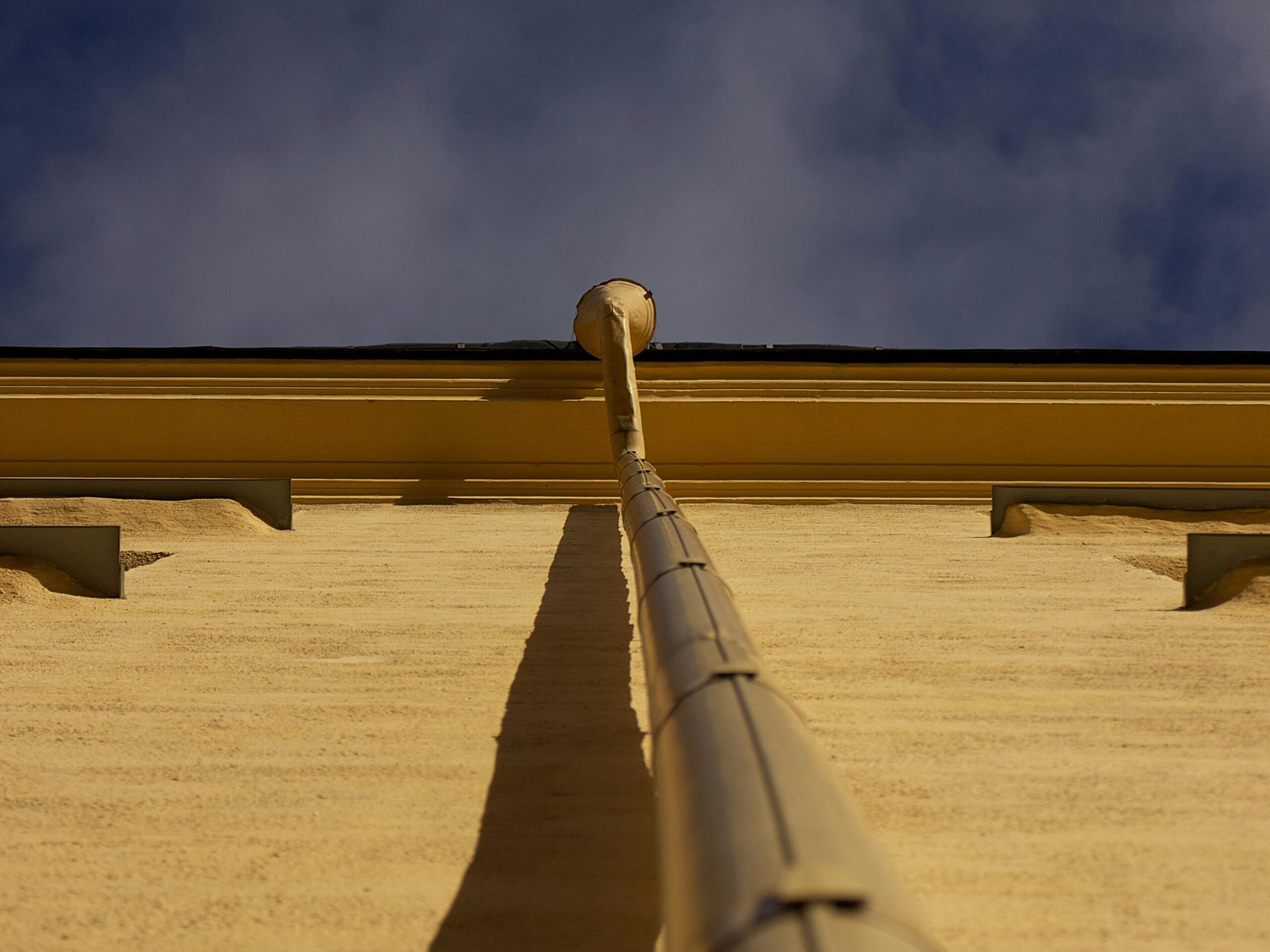
A monsoon roof inspection should focus on flashing, valleys, scuppers, gutters, skylights, pipe boots, roof vents and roof penetrations. Clear gutters, scuppers, valleys and downspouts before storm season.
FEMA notes that high winds can damage roof flashing, increasing the risk of water intrusion from wind-driven rain. That makes flashing inspection important before storm season.
Also inspect the attic after the first heavy rain. If the attic smells damp or shows new stains, that is your roof sending a very unsubtle text message.
Warning Signs You Should Not Ignore
Call a roofing professional if you notice ceiling stains after rain, cracked tiles, curled shingles, ponding water or split sealant around roof penetrations.
Also watch for granules in gutters, blistered roof coating, repeated skylight leaks, loose flashing, daylight visible from the attic or sagging roof areas.
Owens Corning recommends routine roof maintenance tasks such as cleaning gutters, trimming nearby branches and clearing organic debris from the roof. Even in dry regions, debris can collect in valleys and gutters, then hold moisture when rain finally arrives.
Need a Quick Decision?
If you see ceiling stains, loose flashing or ponding water, the next step may be roof leak repair, roof flashing repair or flat roof repair, not just simple cleaning.
In desert climates, the first visible leak often means the roof has been vulnerable for months.
DIY vs Professional Desert Roof Maintenance
Some checks are safe for homeowners. Others need a roofer.
| Task | DIY or professional? |
|---|---|
| Ground-level visual inspection | DIY |
| Cleaning low gutters | DIY, if ladder access is safe |
| Clearing visible debris | DIY, if accessible |
| Tile roof inspection | Professional |
| Flashing repair | Professional |
| Large flat roof coating repair | Professional |
| Leak tracing | Professional |
| Structural sagging | Professional or engineer |
Safety Note
Roofing maintenance for desert climates should not be done during extreme heat, strong wind or immediately after rain. Roof surfaces can become slippery, brittle or dangerously hot.
Use ground-level inspection where possible. Hire a roofer for steep, high, fragile or difficult-to-access roofs.
What Affects Desert Roof Maintenance Cost?
Roof maintenance cost depends on roof size, roof type, access, roof age, slope, coating condition and the number of roof penetrations.
Minor work such as gutter cleaning or replacing a few cracked tiles costs much less than repairing flashing, recoating a flat roof or replacing damaged underlayment. Roof inspection cost is usually easier to handle than a full roof repair vs replacement decision after repeated leaks.
| Maintenance item | Cost impact |
|---|---|
| Basic roof inspection | Low |
| Gutter or scupper cleaning | Low to medium |
| Replacing a few cracked tiles | Low to medium |
| Roof flashing repair | Medium |
| Flat roof coating touch-up | Medium |
| Full roof coating | High |
| Roof leak repair | Medium to high |
| Underlayment replacement | High |
| Major roof replacement | Very high |
Later, this is a good place to link to your roof maintenance cost calculator.
Common Mistakes Homeowners Make
Many homeowners assume low rainfall means low roof risk. That is not true. In desert climates, the sun can quietly damage roof materials long before rain exposes the problem.
Avoid these common mistakes:
- ignoring cracked tiles
- letting dust block scuppers or drains
- applying coating over a dirty or damaged roof
- walking on fragile tile roofs
- using cheap sealant around penetrations
- waiting until monsoon season to inspect
- ignoring attic heat and ventilation
- treating ponding water as normal
- repairing only the visible ceiling stain
Dust may look harmless, but on a roof it can clog drains faster than a garage collects “temporary” storage boxes.
FAQs
How often should you maintain a roof in a desert climate?
Inspect a desert roof at least twice a year: once before peak summer and once before the rainy or monsoon season. Also check it after dust storms, high winds, hail or unusually heavy rain.
What damages roofs most in desert climates?
The main causes are UV exposure, extreme heat, thermal cycling, dust buildup, brittle sealants, cracked tiles, blocked drainage and sudden stormwater entering weak roof details.
Are tile roofs good for desert climates?
Tile roofs can perform well in hot climates, but cracked or slipped tiles can expose the tile roof underlayment. The underlayment often becomes the weak point, so tile roofs still need regular inspection.
Do desert roofs need gutters?
Many desert homes still benefit from gutters, scuppers or controlled drainage. Sudden heavy rain can cause overflow, wall staining, soil erosion and foundation drainage problems.
Are cool roof coatings worth it in desert climates?
Cool roof coatings, reflective roof coatings and elastomeric coatings can help reduce roof heat absorption when selected and installed properly. However, they need cleaning, inspection and recoating when they become dirty, worn, cracked or poorly bonded.
Should I walk on my roof to inspect it?
Usually, no. Ground-level inspection is safer. Walking on hot shingles, fragile tiles or steep roofs can damage the roof and create a fall risk.
Conclusion
Roofing maintenance for desert climates is mainly about controlling heat, UV exposure, dust, roof ventilation and sudden storm risk. A roof may look dry and problem-free most of the year, but one cracked tile, blocked scupper or failed sealant joint can turn the first heavy rain into an indoor leak.
Inspect before peak summer. Inspect again before the rainy season. Keep drainage clear, check flashing and sealants, and treat cracked tiles, coating failure and underlayment exposure early.
The desert sun is patient. Your roof materials, unfortunately, are not.